The sim racing market is developing at a rapid pace and more and more manufacturers are entering this playing field. As an avid sim racer, I am constantly looking for hardware that can enhance my virtual driving experience. When Conspit, a relatively new player in the sim racing world, approached me to ask if I could review their latest product - the Conspit CPP Lite Pedals - wanted to test, I didn't have to think long about it.
What immediately appealed to me was Conspit's promise to bring innovation and performance together in a pedal set that is both realistic and accessible. It feels special that a brand asked me to be one of the first to test these pedals and give my honest opinion on them.
In this review, I share my personal experiences and findings with the Conspit CPP Lite Pedals. My goal: to give you as a sim racer the most complete picture possible, including the strengths as well as the areas for improvement, so you can decide for yourself whether this product suits your rig and riding style.

Conspit
Conspit is a relatively young player in the sim racing industry, but has managed to attract a lot of attention in a short time with a range of eye-catching products. Founded in 2020 in Shanghai, China, the brand consists of a team of passionate sim racers with both hands-on experience on the track and expertise in product development. Their motto, "The choice of professional drivers", directly reflects what they stand for: realism and quality.
What I personally find interesting is that Conspit is clearly trying to establish a brand identity that stands out. Whereas many manufacturers choose rather subdued designs, Conspit uses striking purple accents in their products. This makes them instantly recognisable and gives them their own place within a competitive market.
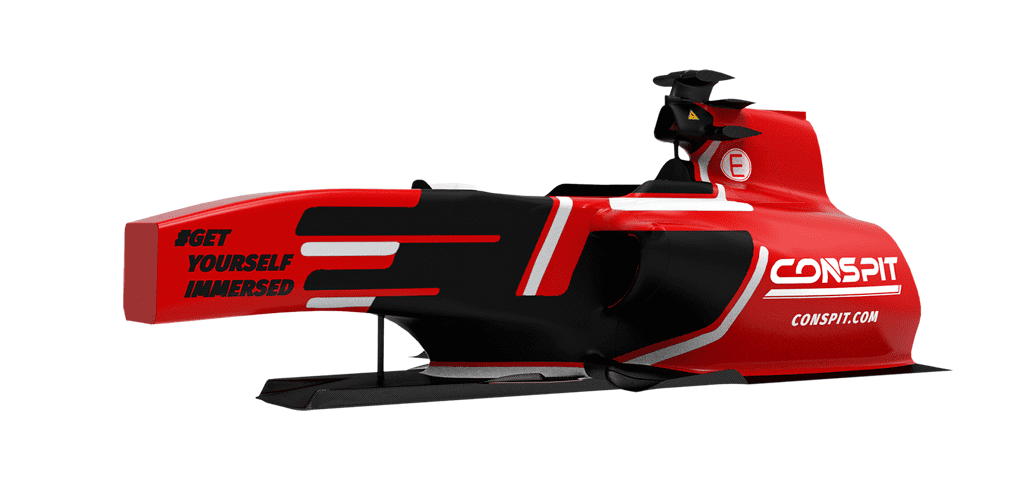
Although Conspit is already quite well known in Asia, they are now increasingly targeting the European market. The products are still hard to come by here, but the brand is actively working to find distributors and expand their reach. The range ranges from pedals, steering wheels and cockpits to a Halo Screen and even the impressive Formula Cockpit FC-Pro. For a company that has only been around for a few years, I find it remarkable how broad their portfolio already is. It shows that they are ambitious and investing heavily in innovation.
Packaging and Content: A Breathtaking Experience
The first introduction to the Conspit CPP Lite Pedals starts with the packaging - and it is downright impressive. Where many manufacturers see packaging as an afterthought, Conspit takes this part to the next level. As soon as you open the box, you notice that a lot of attention has been paid to presentation and protection. Everything feels premium and exudes care and attention to detail.
I have unwrapped quite a few sim racing products over the years, but honestly, this is among the most memorable experiences. It immediately makes you feel like you have something special in your hands. And that's not unimportant: first impressions often set the tone for how you experience a product.
Conspit understands this like no other and manages from the very first moment to add a piece of experience that many competitors leave out. So unboxing these pedals almost feels like holding a high-end gadget or luxury product in your hands, even before you have touched a single pedal.


In the package you will find:
- Pedal set (accelerator pedal, brake pedal and clutch pedal)
- Baseplate
- Sketch Show Board
- Conspit Stickers
- Instruction manual
- Power and USB cable
- Mon1TP3Screws and fasteners (Allen keys, 6x M8x12mm and 4x M8x16mm)
- A warranty and quality control card

Prices and Compatibility of the Conspit CPP Lite Pedals
The Conspit CPP Lite Pedals are clearly positioned for both novice and experienced sim racers. What is immediately important to know: the pedals can only be used on PC - support for consoles is currently lacking. This makes them especially attractive to the sim racer who wants to take his or her setup on the computer seriously.
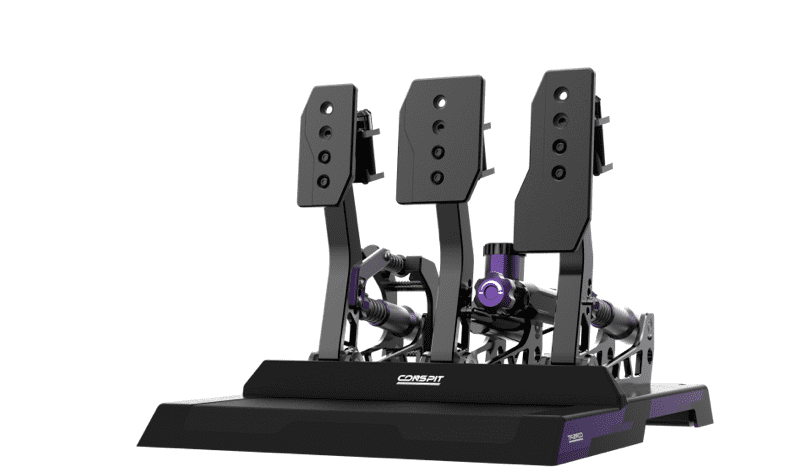
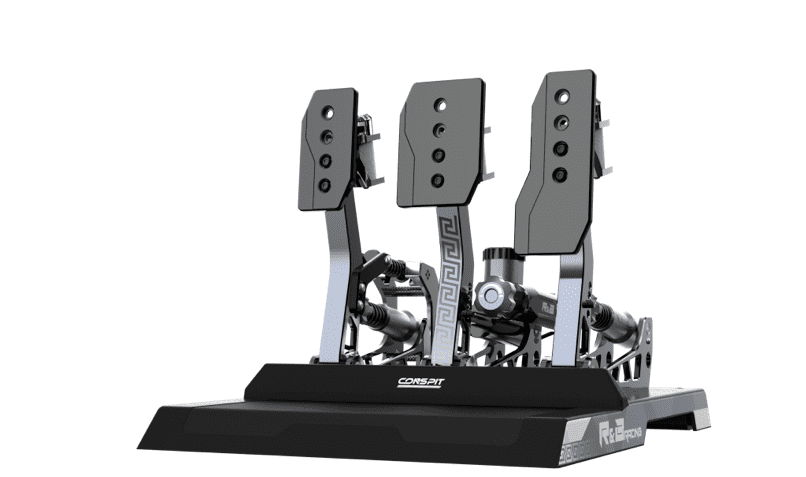
You have a choice between a two-piece set (throttle and brake) and a three-piece set (throttle, brake and clutch). Both variants are available in two finishes: a striking purple look typical of Conspit, or a sleeker silver version. Recommended prices are:
- Two-piece set: € 479 excluding VAT
- Three-piece set: € 569 excluding VAT
From my own experience, I know that this price range is quite competitive, especially considering Conspit's build quality and innovative approach. Brands like Heusinkveld, Sim-Lab and Asetek often sit a step higher in price, cleverly positioning Conspit in the mid-range segment.
For sim racers who do want to experience top quality but do not want to go straight towards the absolute high-end segment (yet), this makes the CPP Lite Pedals an interesting option.
Conspit CPP Lite Pedals Design and Materials
When designing the Conspit CPP Lite Pedals, you immediately notice that a lot of attention has been paid to stability and durability. The pedals are constructed from high-quality materials and use an integrated CNC-milled fixed bracket. This construction ensures high rigidity, eliminating unwanted bending or play during racing. You notice this as soon as you apply some force to the brake pedal - the whole thing feels solid and reliable.
Conspit stresses that every part of the CPP Lite Pedals has been extensively tested with simulations and field tests. And honestly, you notice it: nothing feels cheap or fragile, which you sometimes encounter with pedals in this price segment. During my own testing sessions, I continuously felt confident that I had a professional piece of hardware under my feet. For sim racers who value a rigid and stable base, the CPP Lite Pedals certainly do not disappoint.
Durability and Stylish Design
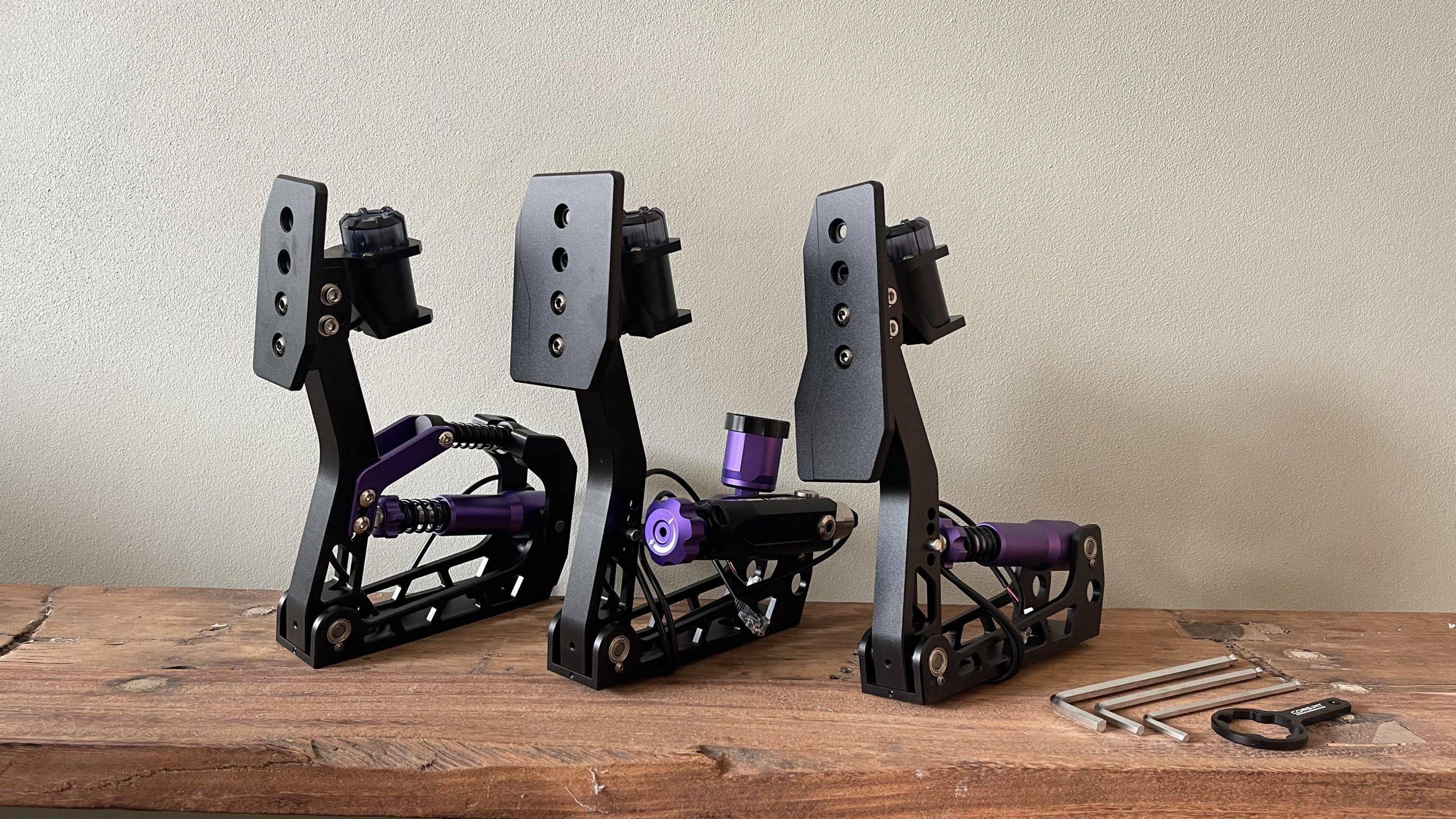
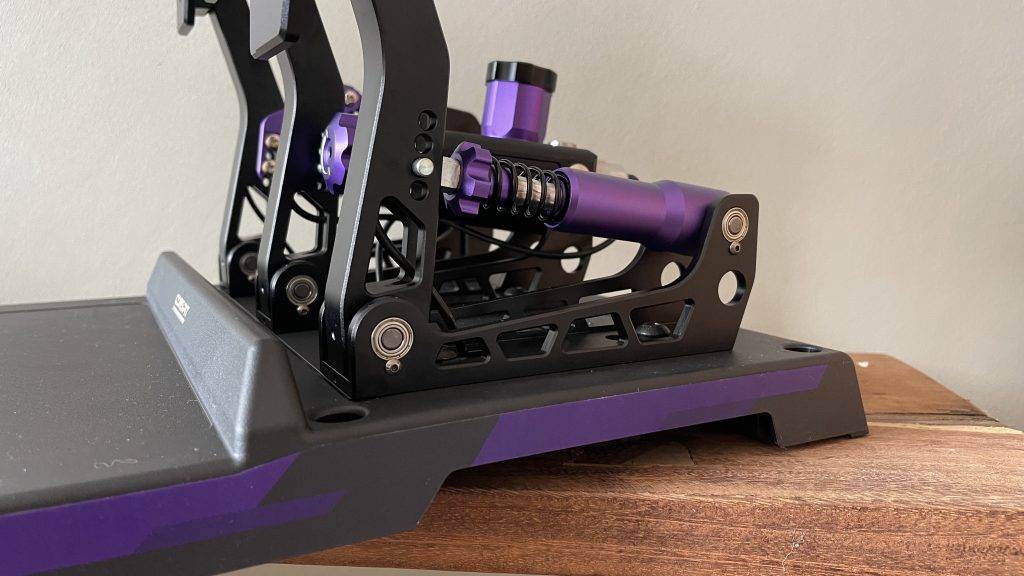
What struck me immediately when I saw the Conspit CPP Lite Pedals first held in your hands is the distinctive design. The black aluminium combined with the purple colour accents gives them a fresh, modern look that immediately catches the eye. The pedal plates look playful and dynamic, and their slightly thinner design with flattened corners clearly sets them apart from the more traditional pedals I have tested in the past.
During assembly and in use, you really notice the care with which these pedals are built. Conspit uses a heat-treated T6 aluminium alloy, which ensures extra strength and precision. In practice, this means that no flex or play whatsoever is felt, even during intensive braking.
Moreover, Conspit opted for a double surface treatment: first sandblasting, then anodising. This not only provides a nice texture and luxurious look, but also extra durability and grip. I personally noticed that even after long sessions, the pedal surface did not feel slippery - something that is often a problem with cheaper pedals.
Accelerator pedal with Hall-Sensor
The accelerator is equipped with a non-contact Hall sensor and, frankly, that is a big plus. In my experience, this technology ensures that there is no friction or weartage, significantly extending its lifespan. For me as a sim racer, this is important, as I want to trust that my hardware still delivers the same precision even after hundreds of hours.
But what do you really notice while driving? For me, the biggest gain is in accuracy. The throttle response is extremely refined and consistent, allowing me to dose much better in situations where you need to play subtly with the throttle - think of balancing the car when coming out of corners or in light rain conditions in simulations. Conspit claims the Hall sensor improves accuracy by 300%, and while I can't verify that figure myself, the pedal feels noticeably more direct and natural than with traditional potentiometers. It gives me a sense of confidence and control that I normally only experience with more expensive high-end pedals.
In short, the CPP Lite Pedals accelerator pedal is not just a standard solution, but a serious upgrade that makes a real difference in practice. For sim racers aiming for consistency and precision, this adds an important layer of realism and reliability.
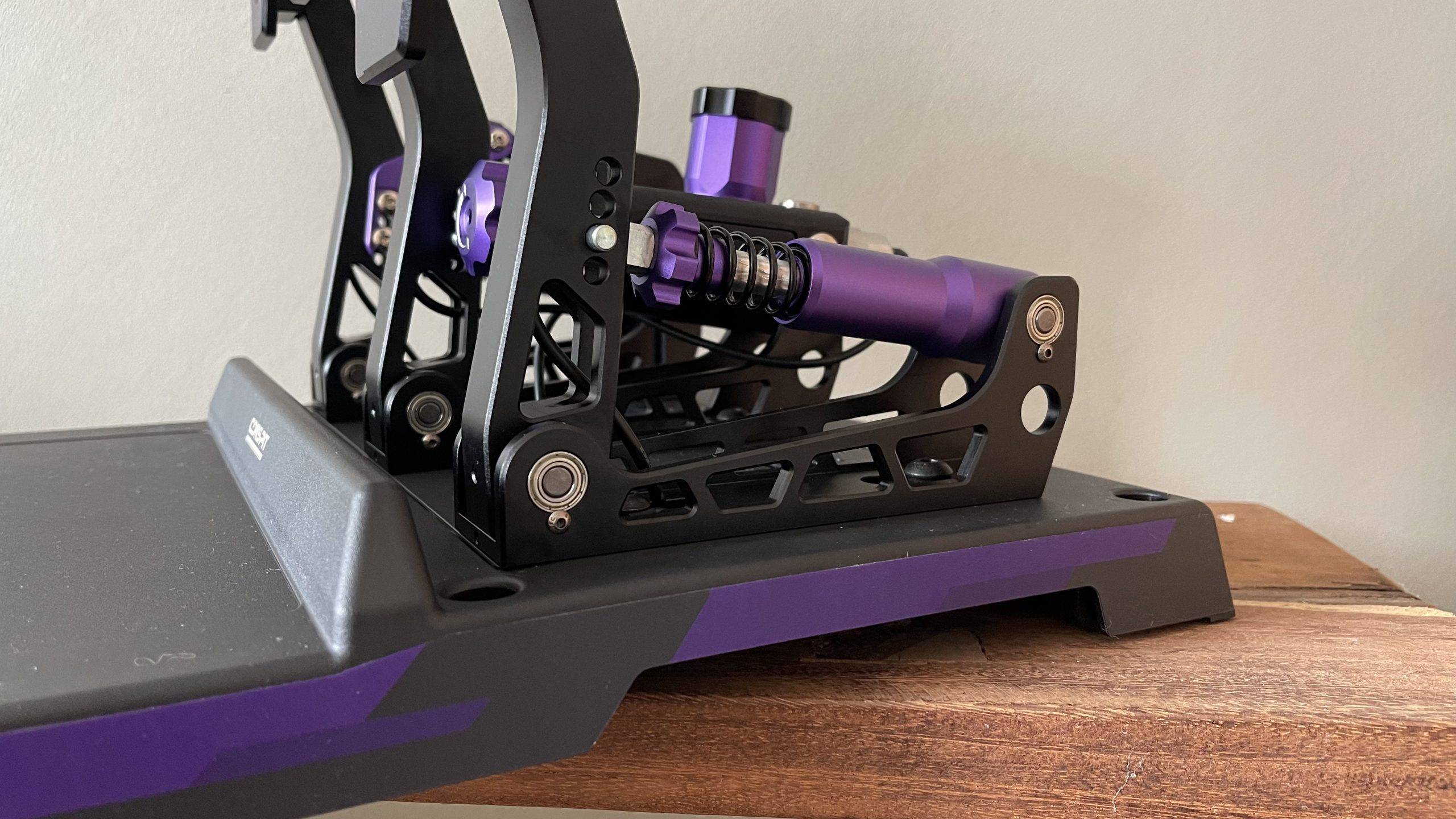
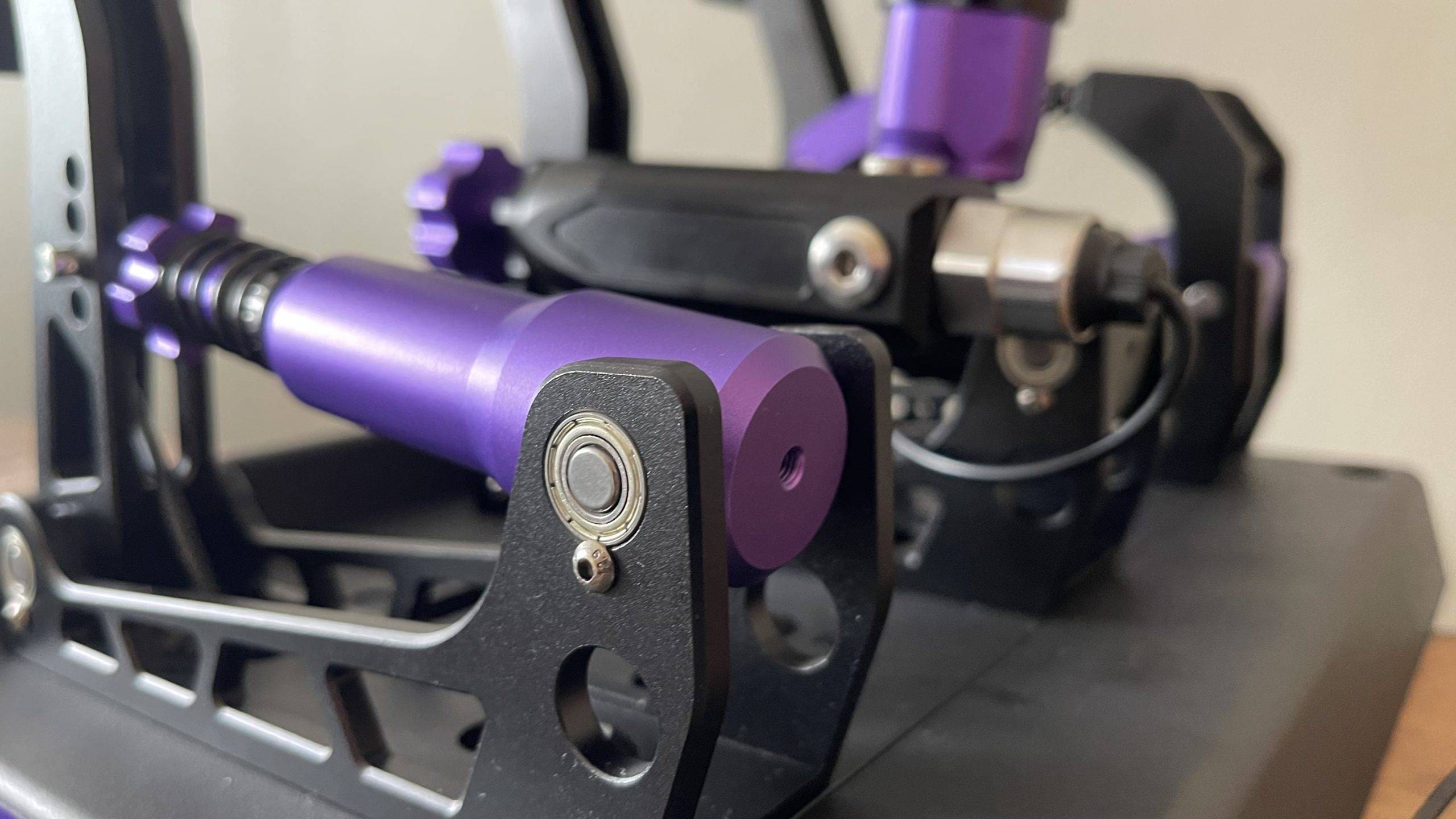
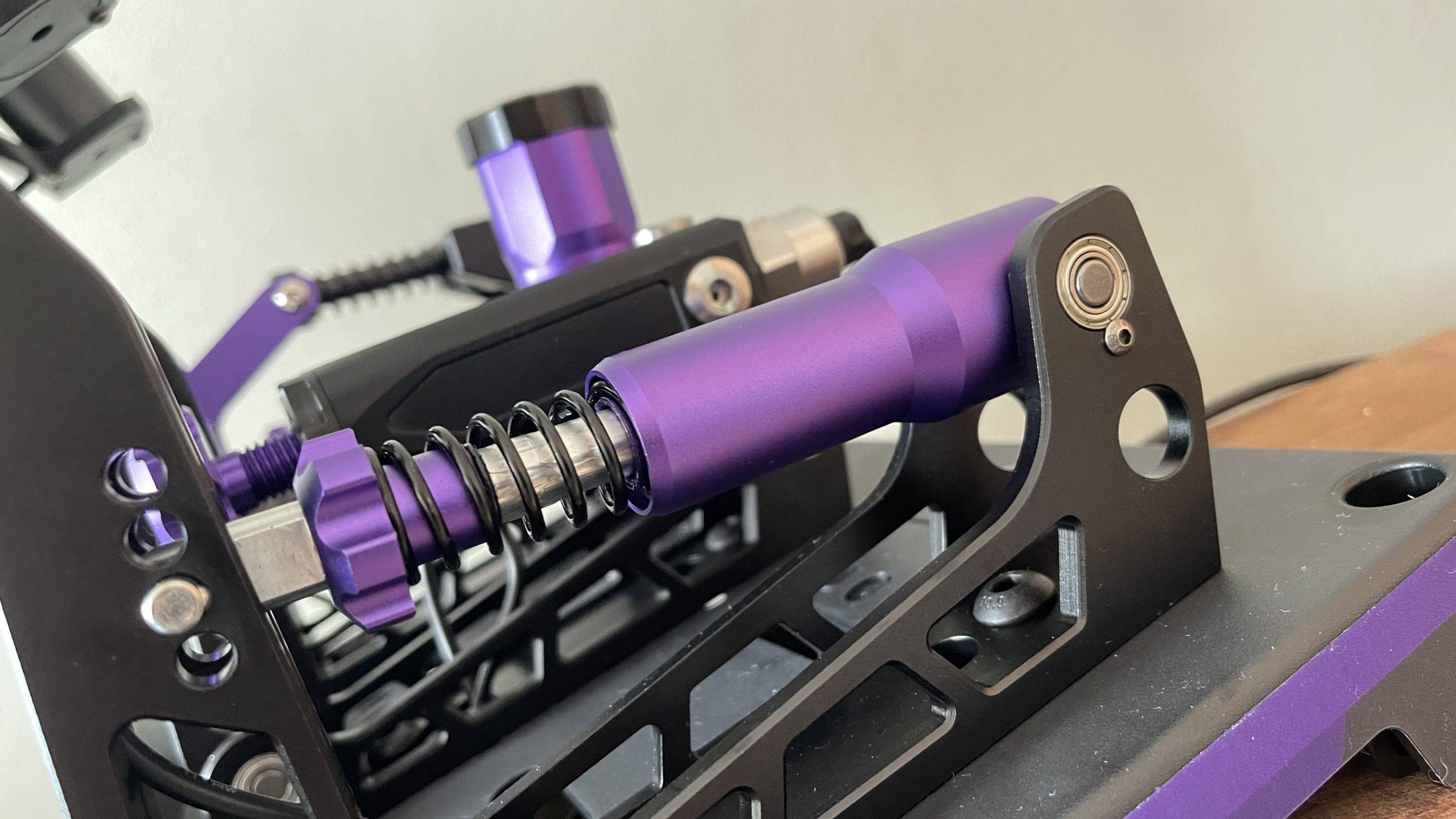
The Hydraulic Brake Pedal
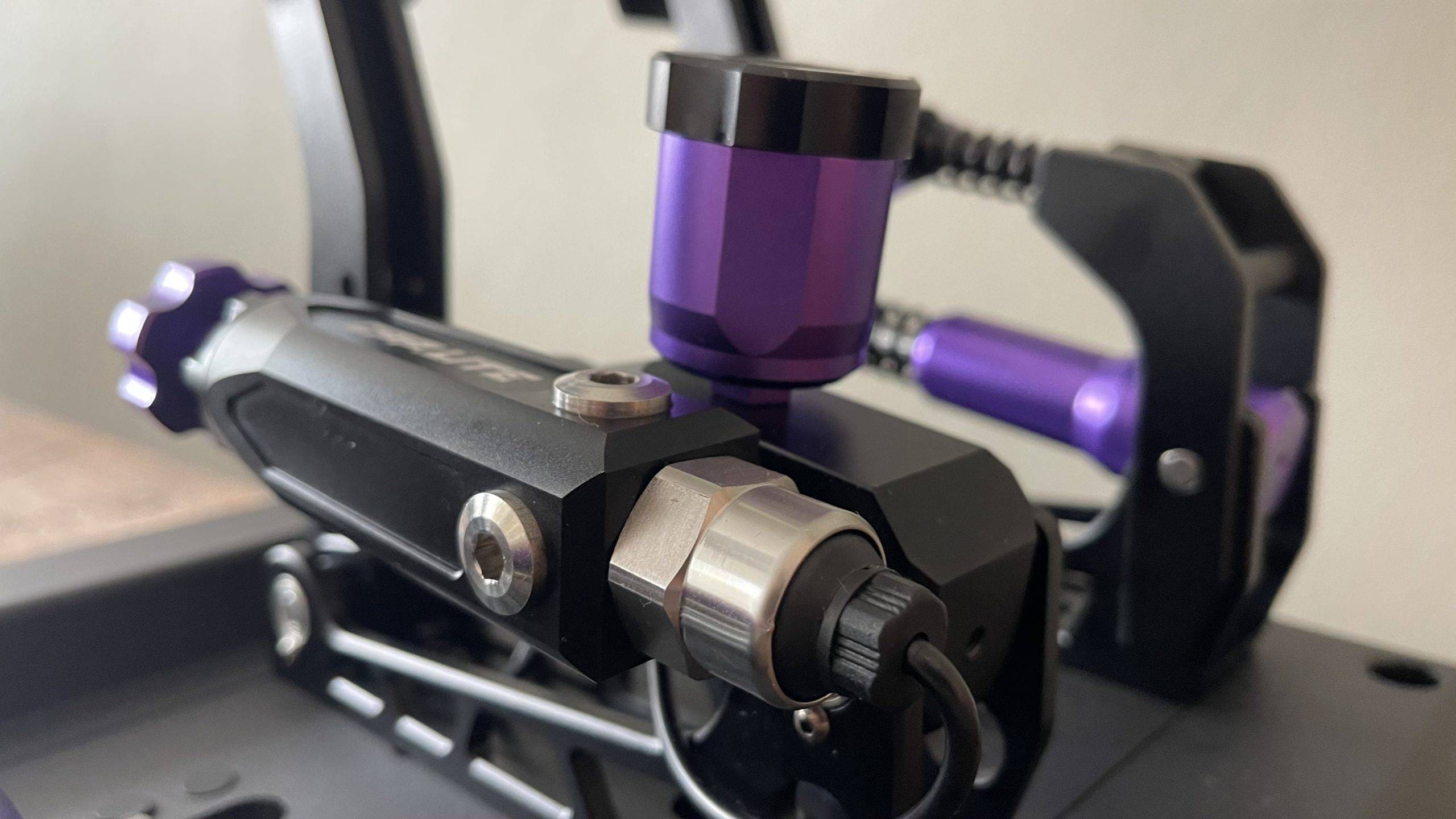
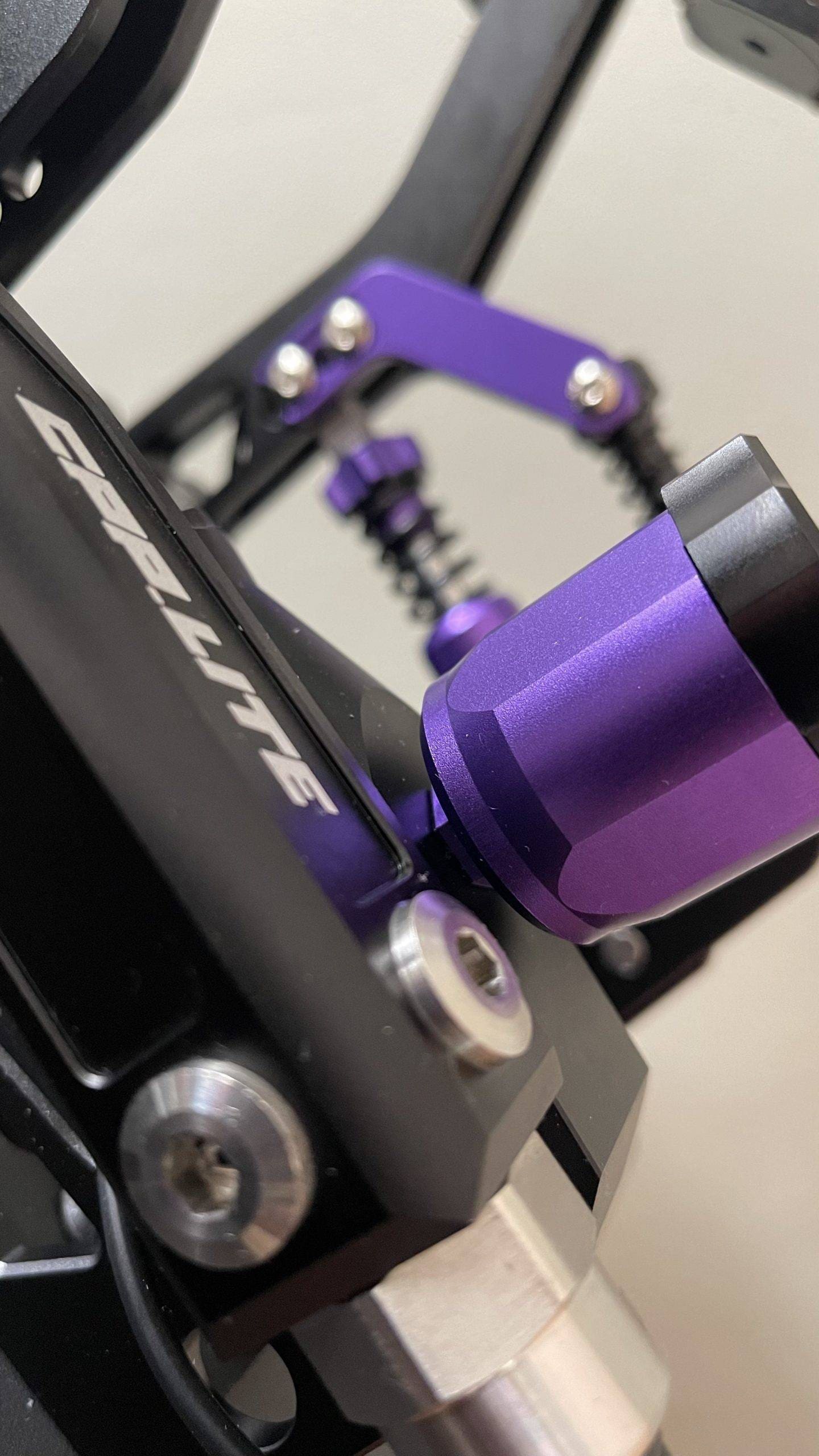
The Conspit CPP Lite Pedals are equipped with an advanced hydraulic braking system that offers distinct advantages over traditional load cell pedals. Whereas a load cell pedal measures resistance based on force, a hydraulic system creates resistance by using fluid pressure.
For me personally, this was the first time I tested a hydraulic system in my sim rig - and frankly: I was immediately sold. The precision and control offered by this brake pedal lifted braking to a level previously known only from real racing cars.
Okay, I have to honestly admit that using these pedals and technique does involve a learning curve. Whereas load cell pedals often feel familiar quickly, I did not have that with these pedals and it took some time before I found the confidence again.
New and Innovative Design
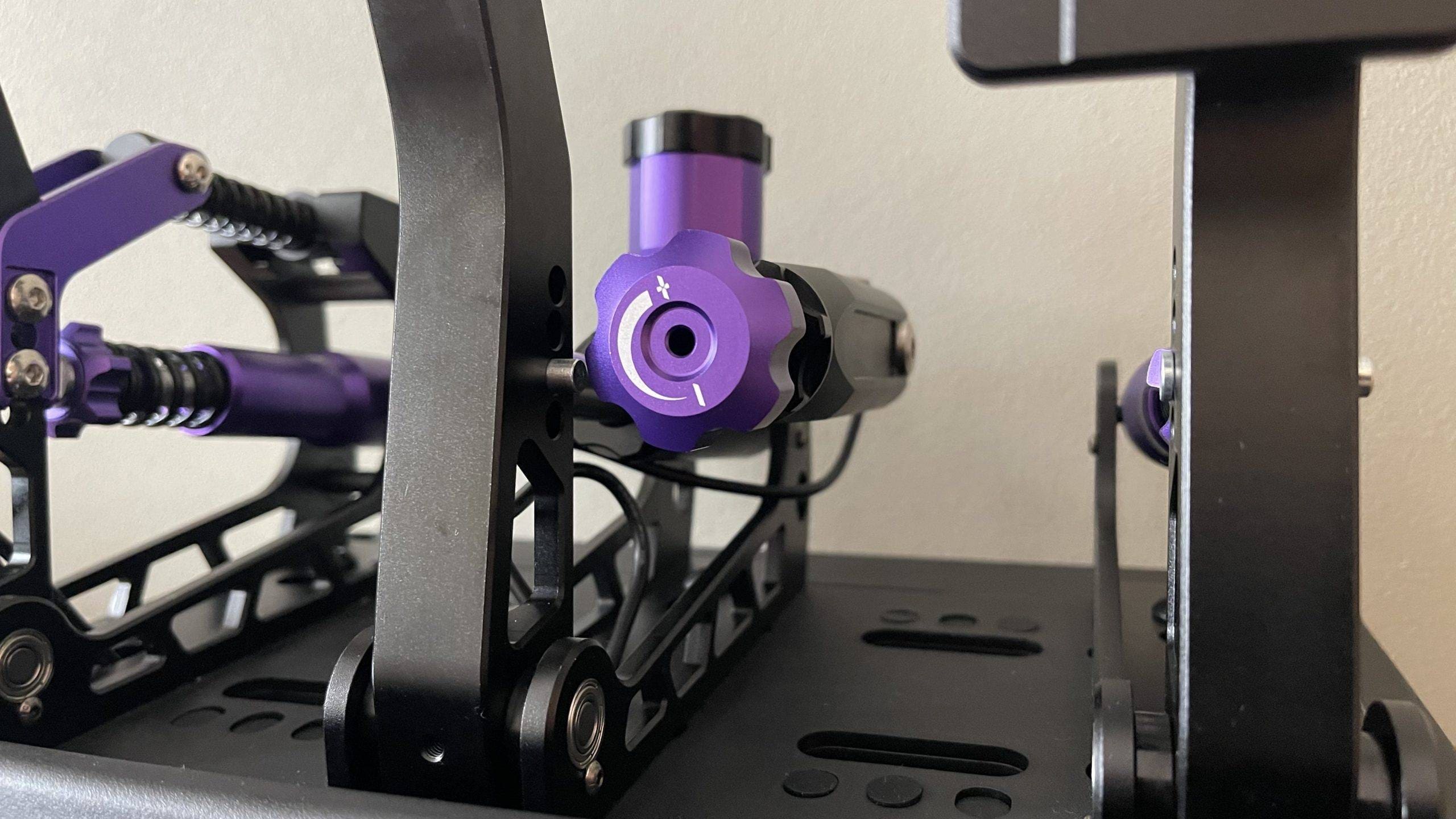
Conspit's hydraulic brake pedal is not just a copy of existing systems, but a completely redesigned solution. The internal oil flow has been optimised with an improved piston structure and a special coating in the hydraulic chamber. That sounds technical - and it is - but in practice it means you don't have to worry about leaks or irregular pressure build-up. During my testing sessions, the pedal continued to feel consistent and reliable, even in longer race sessions where other pedals sometimes become inconsistent.
In addition, the modified compression medium provides less sliptage and a smoother pedal feel. The pedal gives a distinct hydraulic damping that is much closer to a real race car than what I am used to from load cell pedals. For someone who trains dozens of hours a week, that difference is hugely valuable.
Realistic Resistance and Feeling
The biggest advantage of this system is undoubtedly the feeling. The hydraulic braking system offers a realistic resistance that you normally only experience in a racing car. In my experience, I could dose the braking force much more precisely, especially when searching for the ideal braking pressure just before locking the wheels. This not only gives more confidence, but also more consistency in lap times over time.
Whereas with load cell pedals I sometimes felt like I was pedalling against an artificial resistance, this pedal feels much more natural and progressive. It really makes you feel like you have a hydraulic system under your feet, which adds immensely to the immersion. For serious sim racers looking for maximum precision and realism, this hydraulic brake pedal from Conspit is an absolute gamechanger.
The clutch pedal
The clutch pedal of the Conspit CPP Lite Pedals, like the other pedals, is made with high-quality materials and has a beautiful finish. With its striking purple details and eye-catching design, this pedal is a real eye-catcher. What makes this clutch pedal extra special is the way it responds. The force you apply and the distance you press have a special relationship, giving you a realistic and pleasant feeling when pressing the pedal.
Moreover, the clutch pedal - like the accelerator pedal - has an advanced Hall sensor that makes no physical contact. This provides an accuracy of no less than 300% when using the pedal. This gives you a very precise and fast response while racing, which is of course invaluable. The CPP Lite Pedals' clutch pedal significantly enhances the racing experience and offers impressive performance.
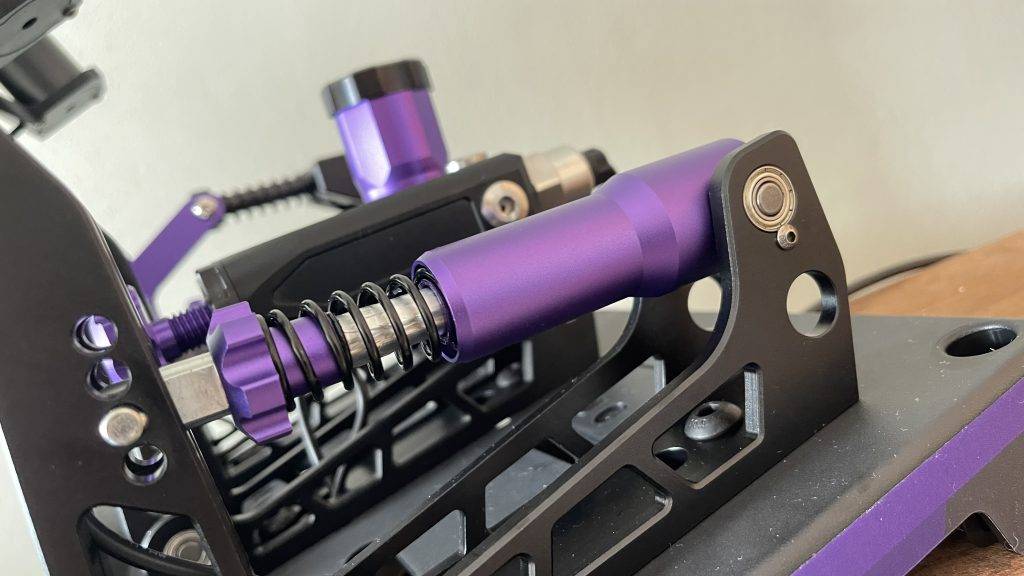
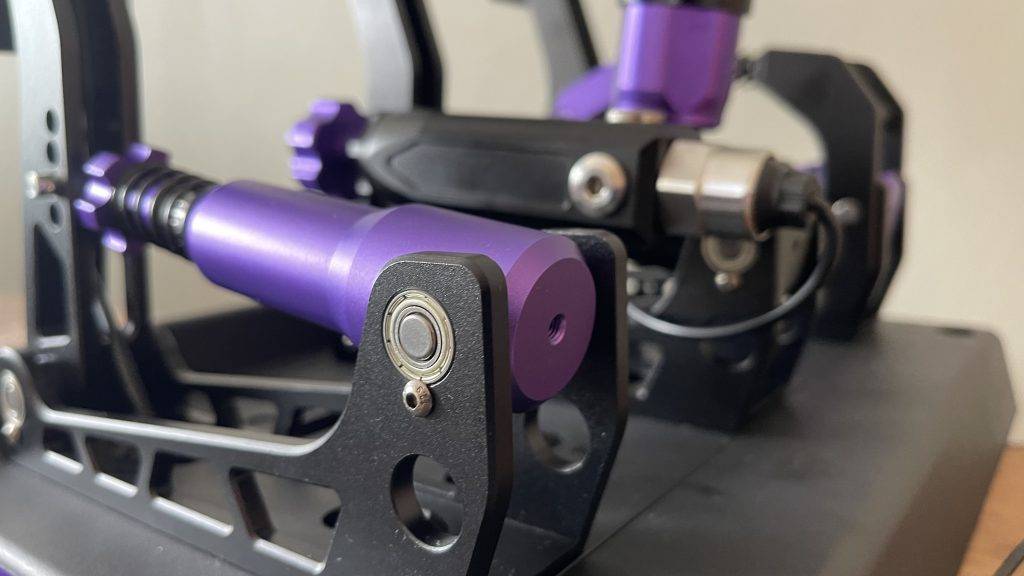
Pedal Rumble Kit with Multi Dynamic Vibration Feedback
A unique feature of the Conspit CPP Lite Pedals is the so-called Multi-Dynamic Vibration Feedback system(M-DVF), often popularly referred to simply as pedal rumbles. This system is similar to the Simagic Pedal Reactors. This makes Conspit one of the first manufacturers to integrate pedal rumbles into the pedals. With this system, the pedals add an extra layer of experience through vibration feedback.
What makes this special is that, thanks to the included software, you have full control over the triggers and intensity of that feedback. I personally found it impressive how flexible this system can be set up. For example, you can choose to vibrate the brake pedal as soon as you lock a wheel, or add subtle vibrations to the accelerator to simulate traction loss. This kind of feedback not only helps with immersion, but also gives you tangible cues that are useful for driving faster and more consistently.
During my own racing sessions, the M-DVF system actually gave me a better feel for what was happening under the virtual car. Especially in low-grip situations, I noticed that I reacted faster thanks to the vibration signals. This makes it more than just a gimmick: it really adds something functional to your driving experience and takes the immersion to a higher level without a doubt.
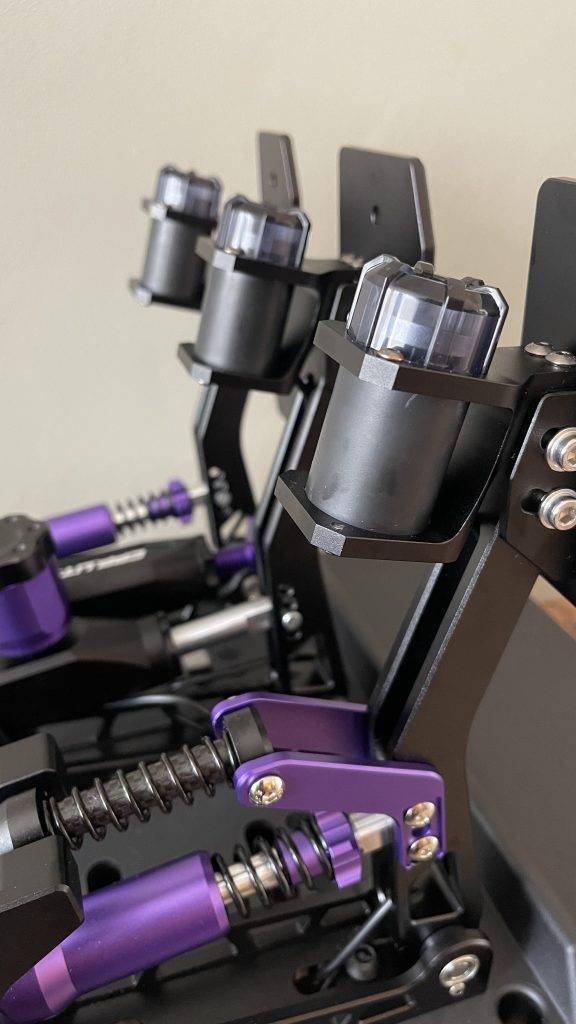
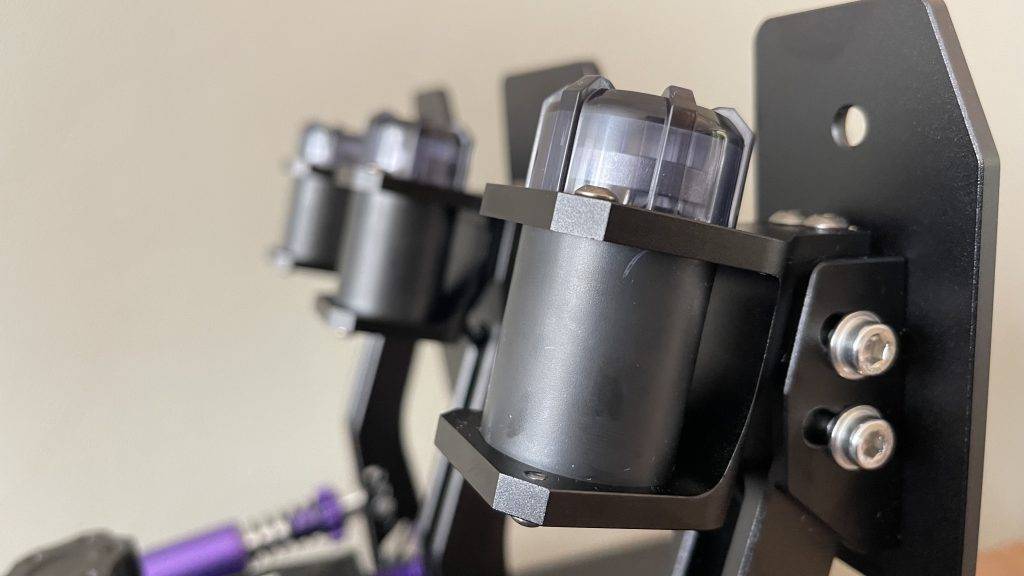
Innovative Haptic Feedback
With the Multi-Dynamic Vibration Feedback system an innovative dimension to sim racing that was previously available mainly through expensive or DIY solutions. For me personally, this feels like an important step: finally a manufacturer integrating this kind of functionality into a pedal set as standard.
With this addition, Conspit positions itself directly opposite the popular Simagic P1000 Pedals, who are known for their modular Haptic Pedals Reactor. Although I have not yet tested the P1000 extensively myself, it is interesting to see that Conspit thus offers an alternative that is fully integrated and works straight out of the box. That lowers the threshold for sim racers looking for extra experience without technical detours.
Whether the CPP Lite Pedals actually perform equally or even better than the P1000 is something that only time will tell, but that is what makes this competition exciting. For us sim racers, it simply means more innovation and faster progress in a market that is constantly evolving. One thing is certain for me: if you're looking for pedals with innovative and built-in haptic feedback, the Conspit CPP Lite Pedals are undoubtedly among the most interesting options right now.
Montage and Adaptability
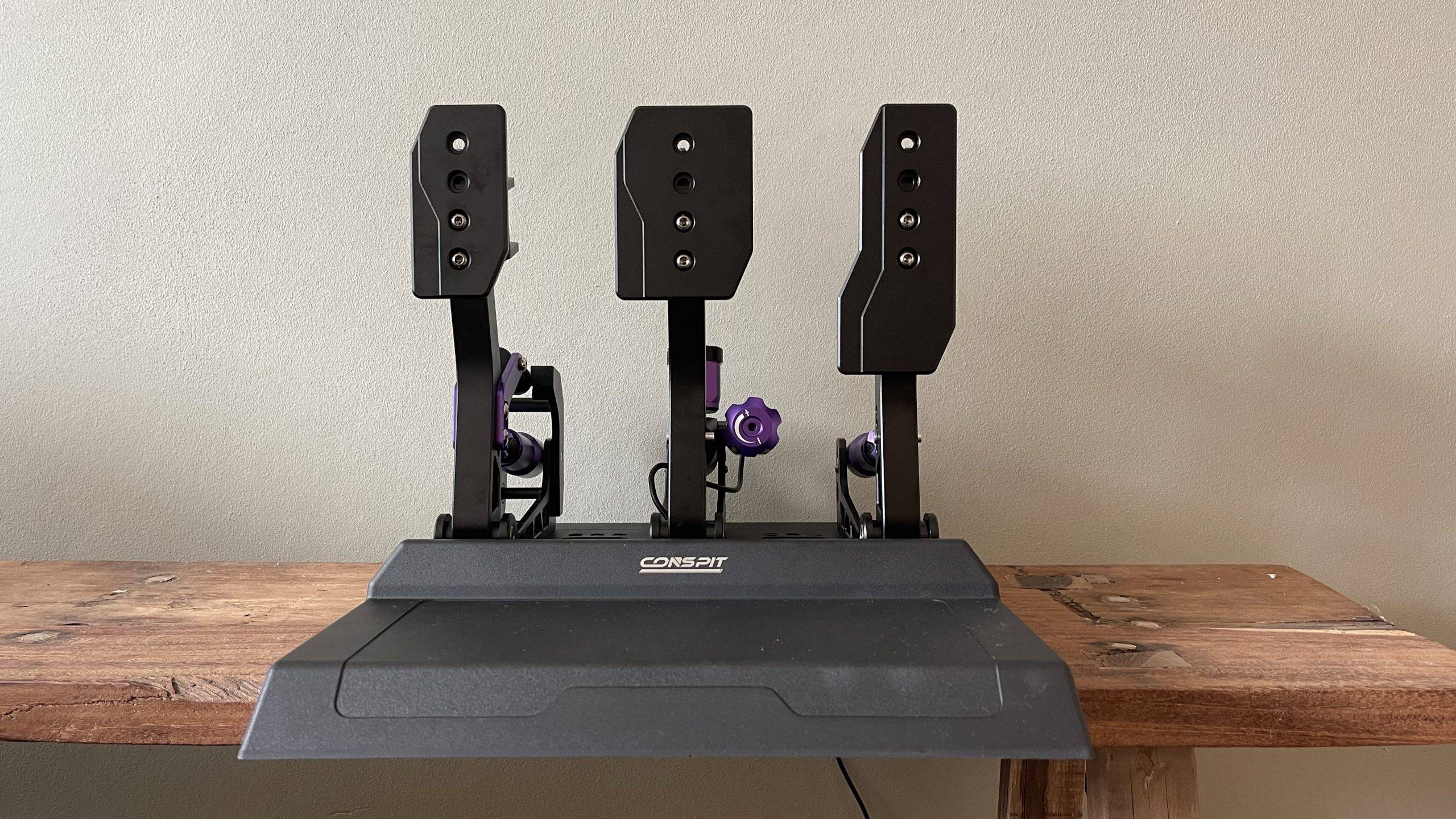
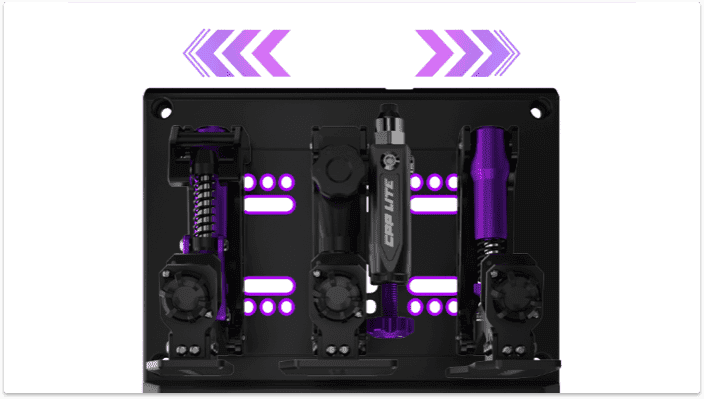
In my experience, the montage of the Conspit CPP Lite Pedals was surprisingly simple. Each pedal attaches with just two screws that fit effortlessly into the integrated holes of the base plate. Conspit has provided multiple holes, giving you the freedom to position the pedals according to your preference and ergonomics. This may seem like a small detail, but for me as a sim racer this is very important - proper pedal positioning makes the difference between riding comfortably and constantly adjusting during long sessions.
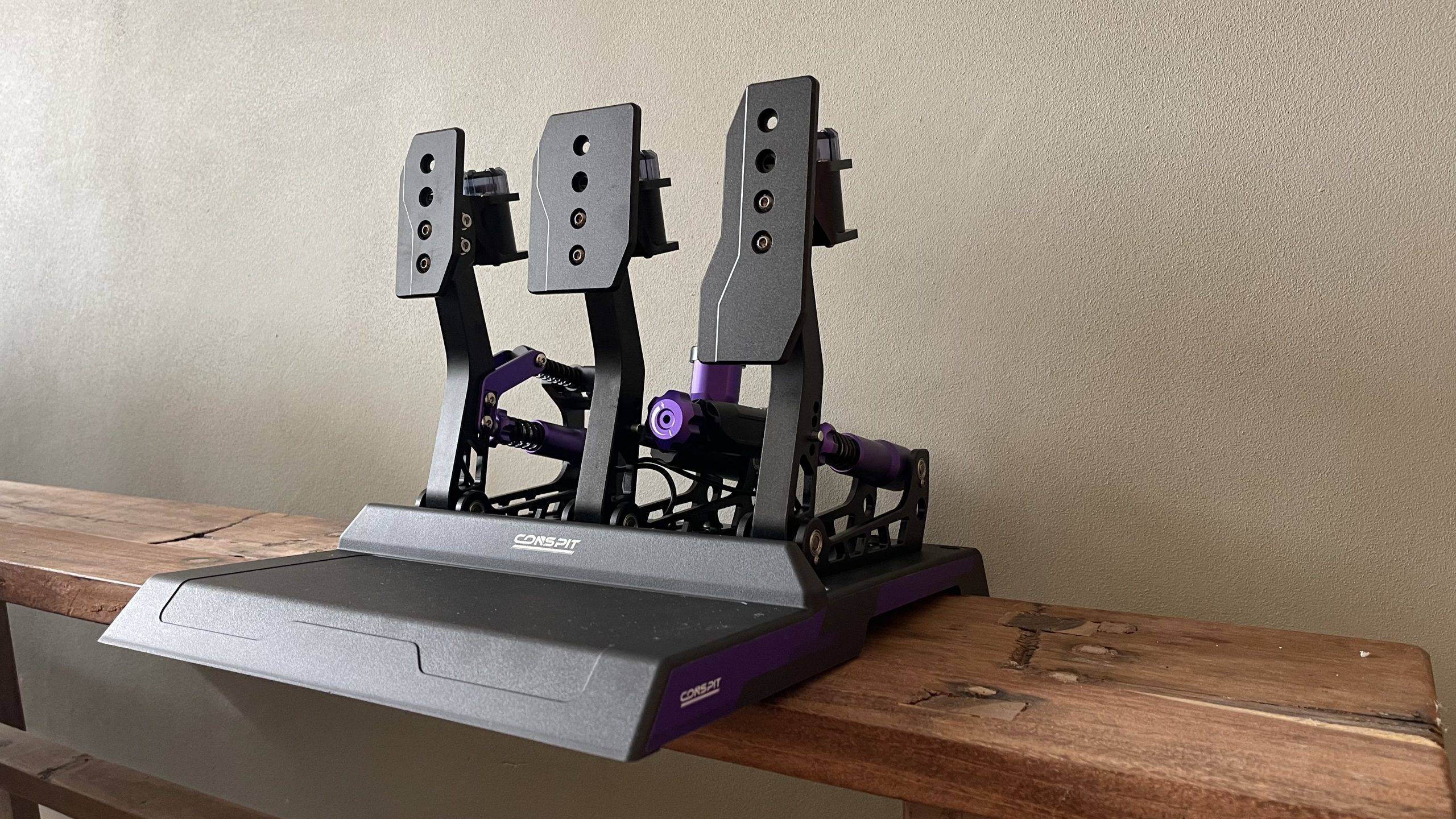
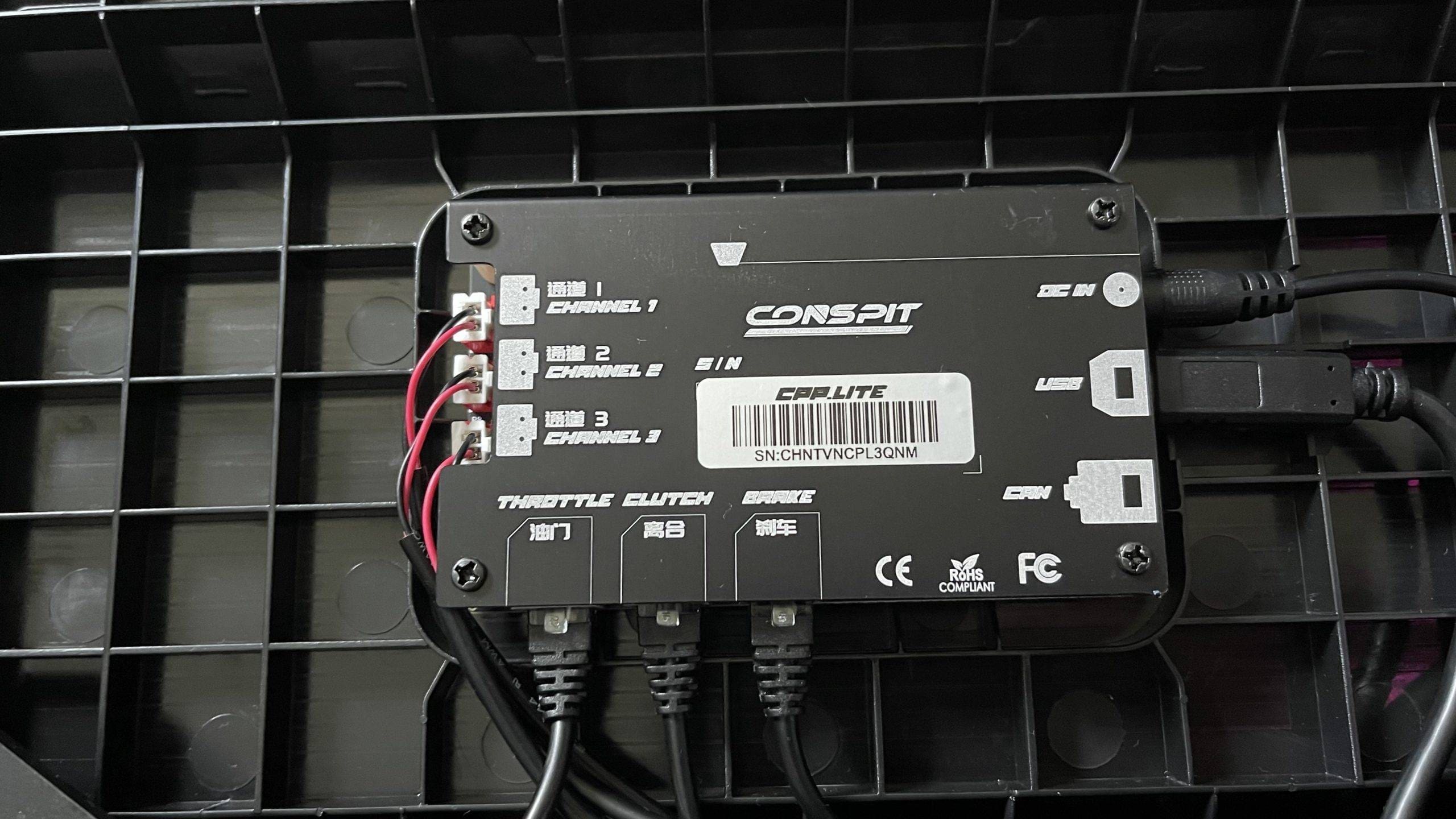
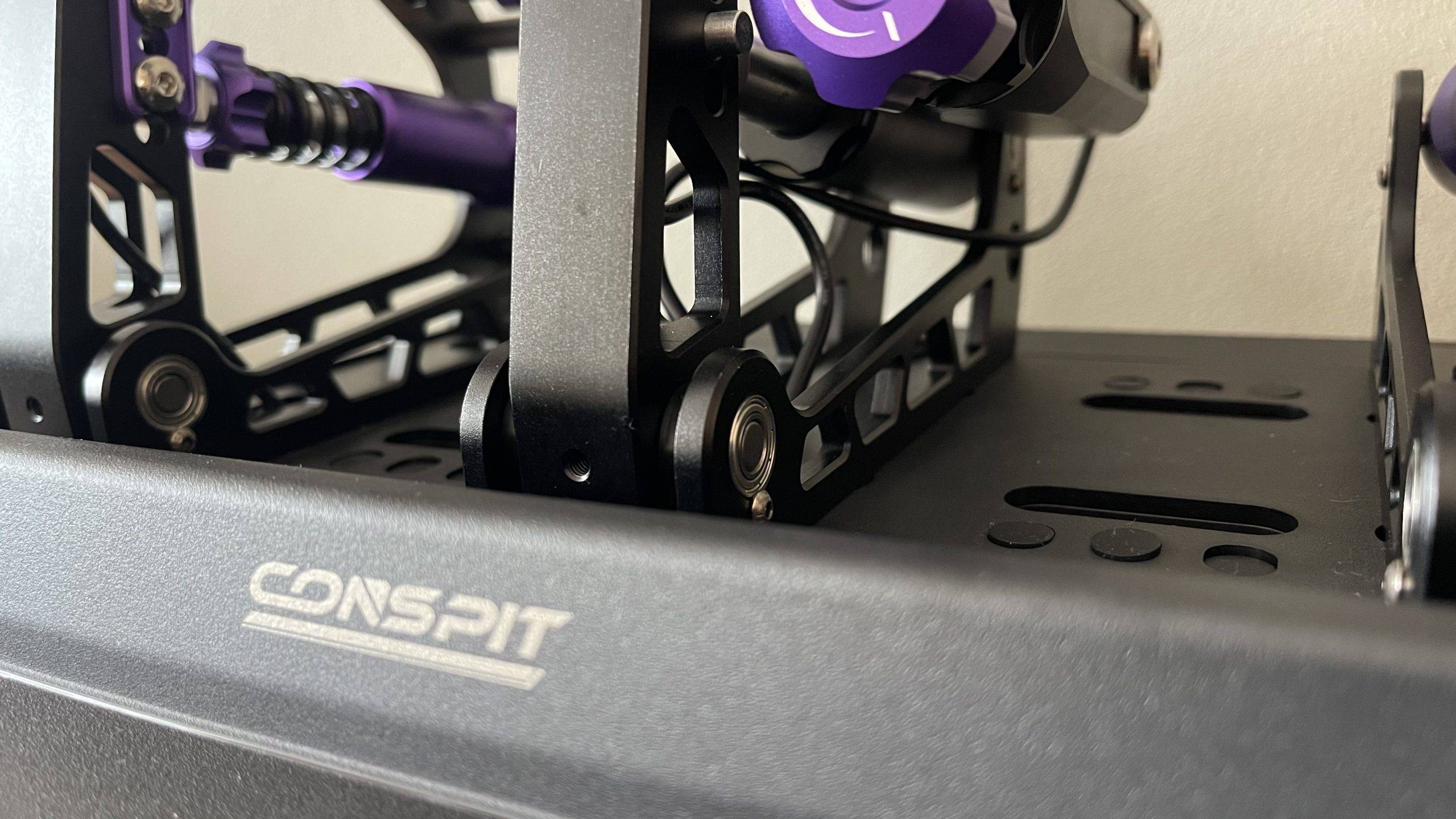
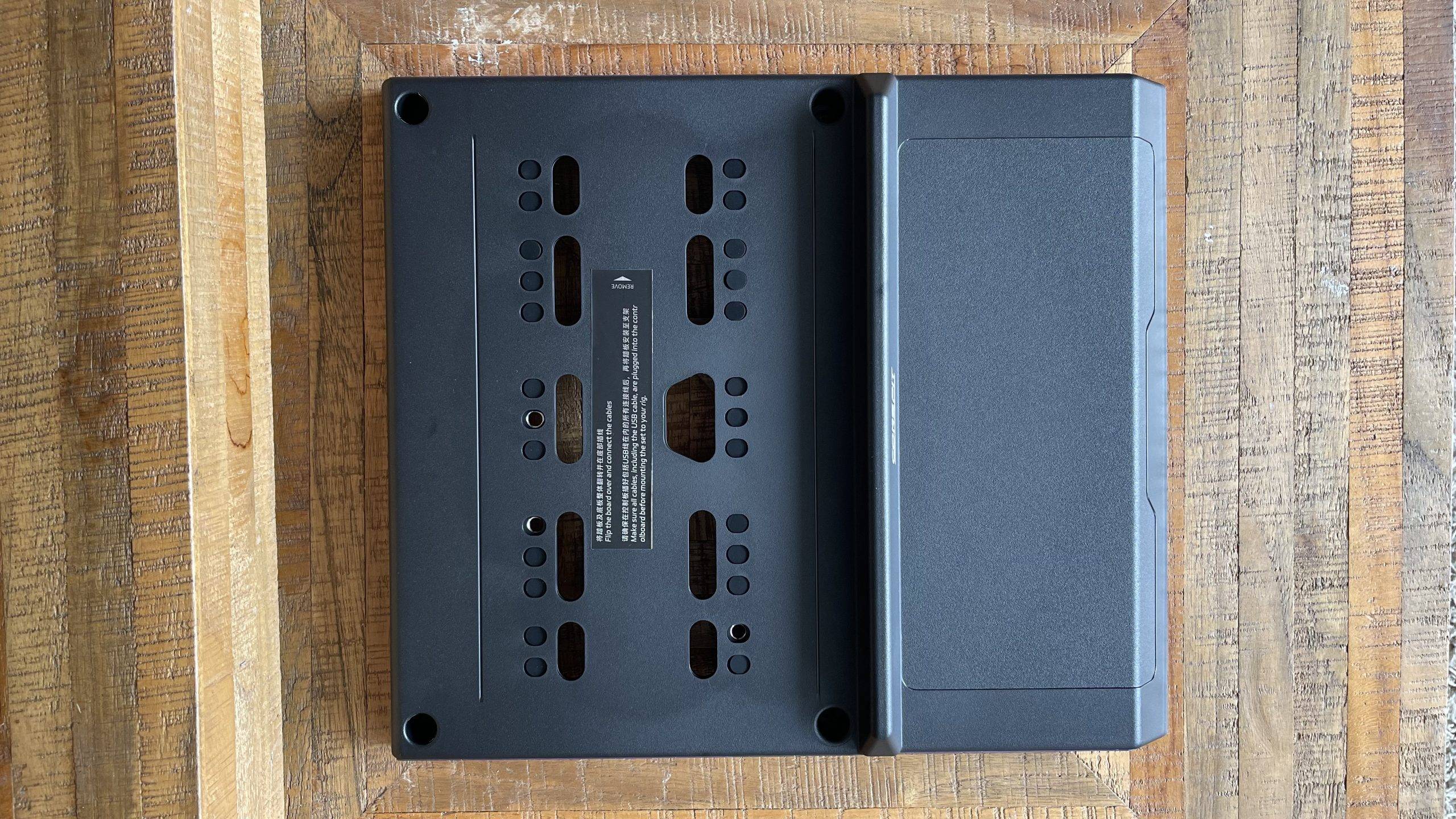
Each pedal comes with two cables: one for the vibration feedback electronics and one for the connection to the integrated controller, which is neatly tucked away at the bottom of the baseplate. This ensures the cables stay organised and the whole thing looks sleek and professional.
I myself have the pedals on my Sim Lab P1X fitted and that too went off without a hitch. With four screws, the complete set was firmly attached without any slack. Within a short time, the set was fully operational in my rig, which I personally consider a big plus. After all, you want to race, not spend hours on montage. In that respect, Conspit has really made things easy for the user.
Perfect Adaptability For Your Comfort
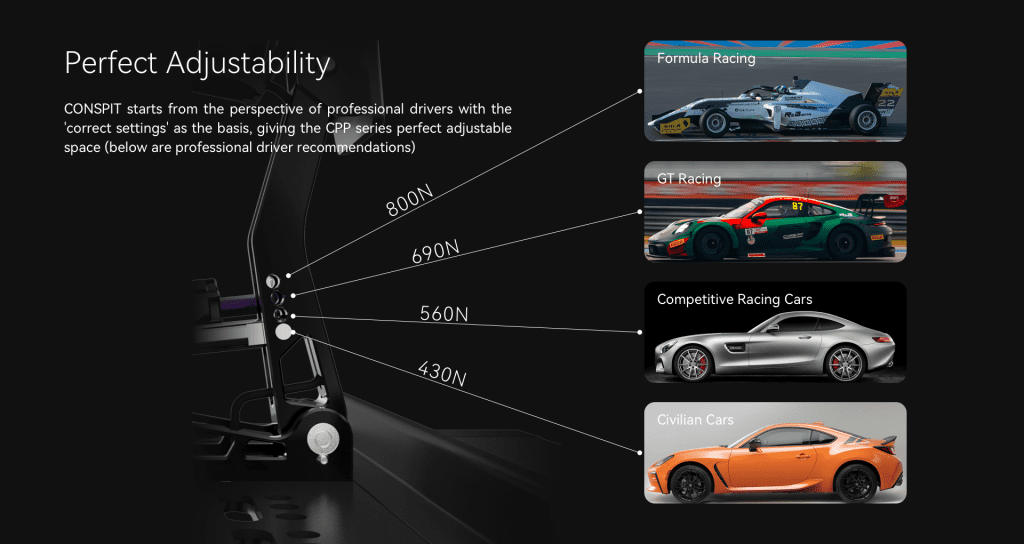
Another strength of the CPP Lite Pedals is their level of customisability. The pedals are easy to configure to fit different types of cars. You can effortlessly remove the pin from the lock and move it to the position that best suits the type of car you drive. This sounds simple, but it makes a big difference in practice.
Personally, I liked being able to tune the pedals to my driving style and the car I was driving. In Formula cars, for example, you want a firm and direct pedal response, while in GT cars just a bit more progressiveness is desirable. For this, the CPP Lite Pedals offer the following options:
- 800N for Formula racing
- 690N for GT racing
- 560N for competitive race cars
- 430N for civilian cars.
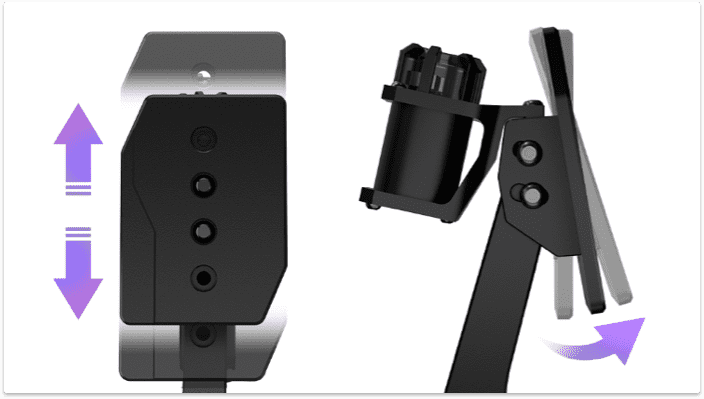
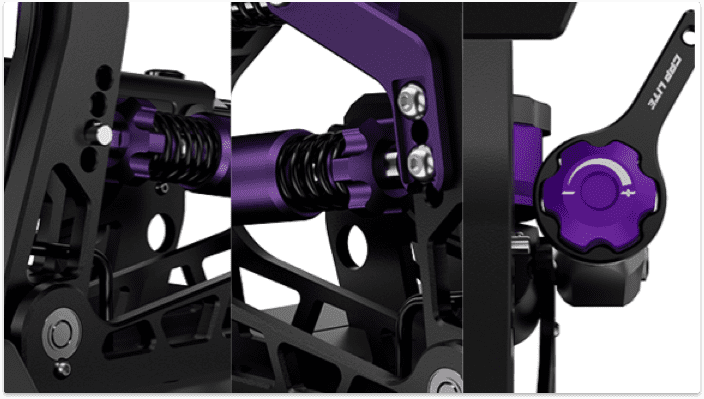
The CPP Lite Pedals are designed with customisability as one of the main pillars. This allows you to easily adjust the pedals to your personal preferences and riding style. Consider adjusting the angle and height of the pedal plates: with just two screws, you can choose from four different heights. For me personally, this made it easy to find an ergonomic position that was both comfortable and efficient during long racing sessions.
Another handy feature is the purple button that allows you to adjust each pedal individually. This allows you to control the movement (travel) and the point of application of the accelerator and clutch pedals completely as you wish. For the hydraulic brake pedal, there is a separate purple ring screw, with which you can easily adjust the oil pressure. In practice, this means that you are not stuck with a standard adjustment, but can always fine-tune to the type of car or situation you are driving.
During my tests, I noticed how valuable this was. When driving GT cars, I liked having a bit more travel on the clutch, while in Formula cars I opted for a shorter and tighter pedal stroke. This level of personalisation not only gives you comfort, but also confidence and consistency in your performance.
Conspit Link Software
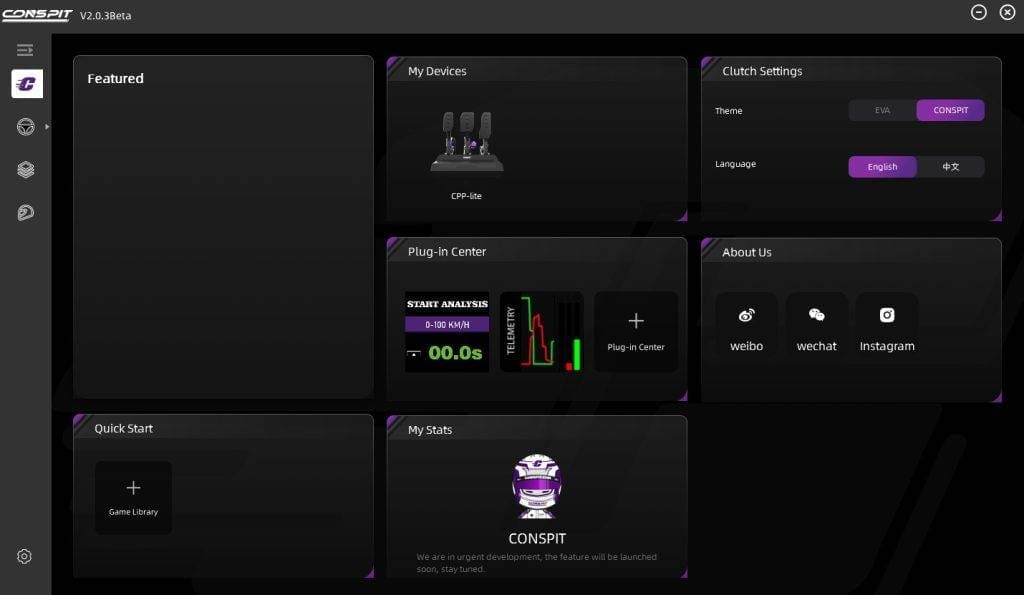
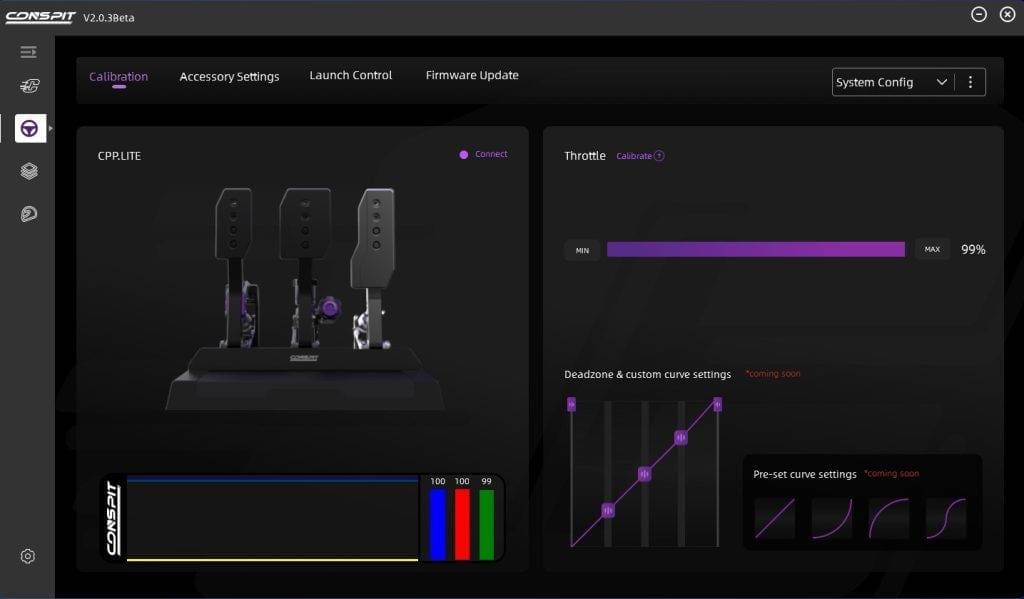
The Conspit Link software, available on the website of Conspit, offers a range of rich software features for simulated racing. Before you start, it is important to install the right drivers and firmware and calibrate the pedals for an optimal racing experience.
Developed in conjunction with Inspeed Racing for tuning, the software includes useful features such as the ability to monitor track performance, perform a 0-100 acceleration test and real-time display of throttle and brake curve telemetry. The Conspit Link software also offers handy widgets, including reaction time during race starts. Conspit is fully developing the software and promises to add more useful and new functionalities in the future.
An upcoming feature is the ability to set custom pedal mapping curves based on different car models and personal preferences. Although the software feels intuitive, it is still under development. You have a choice between Chinese and English language. Once you are familiar with the software, you will be able to get along with it.
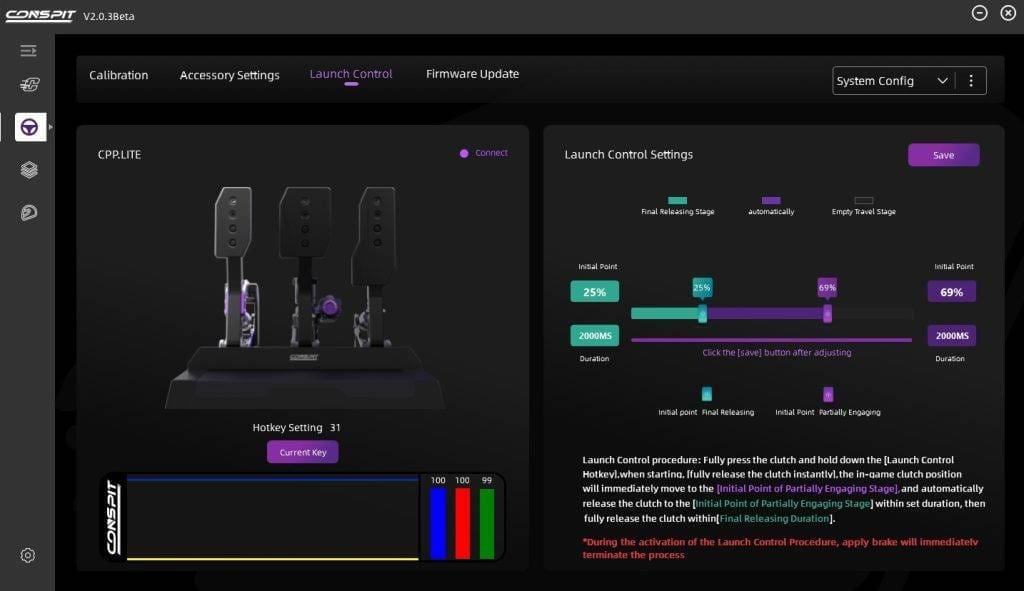
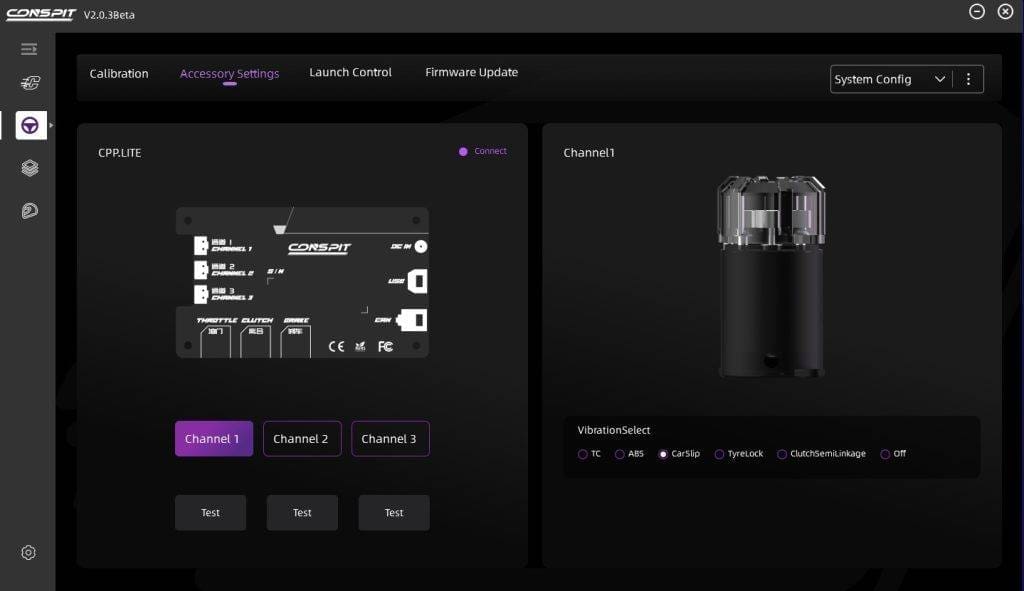
In the tab Accessory Settings you can choose different vibration settings for each pedal/channel. So you can choose from TC, ABS, CarSlip, TyreLock, ClutchSemiLinkage or no vibration.
User experience
After several weeks of intensive use of the Conspit CPP Lite Pedals, I can conclude that this is without a doubt an impressive pedal set. The first thing that stands out is the solid build quality. Everything feels solid and reliable, which gives immediate confidence while racing. The hydraulic brake pedal in particular impressed me a lot. Although it took some getting used to at first, after just a few laps I gained the confidence to accurately determine my braking points ánd even shift them. The feel of the braking is sublime: realistic, predictable and very precise. With this, Conspit shows that they have taken an innovative step with their hydraulic system.
The clutch also deserves praise. The engagement point feels realistic and pleasant, and the resistance is easy to adjust to personal preferences. For me personally, I liked that I could adjust the clutch and accelerator with just a little more resistance, which gave a more controlled feeling while driving. Nevertheless, I also encountered a downside here: the springs used. These look a bit thin and cheap and sometimes produce a slight creaking or scraping sound. While riding with a headset, you don't notice this much, but for a product in this price range, a quieter and more robust finish would certainly be desirable.
In terms of customisation options, the CPP Lite pedal set offers plenty of flexibility. You can easily adjust the height, angle and distance of the pedals, which is ideal for matching them to your personal driving style or the car you drive. This really contributes to a comfortable and efficient racing experience.
However, not everything is perfect. The slim design of the pedals proved less comfortable for me in the long run. Especially at the accelerator pedal, I experienced irritation: my fat toe fell exactly over the flattened and narrow edge, causing the pedal to cut into my foot. This caused pain and made longer sessions unpleasant. This problem occurred with socks; I did not test with sim racing shoes, but I suspect this only partially solves the problem. For people with wider or longer feet, these pedals may therefore be less suitable. As far as I am concerned, Conspit could make a marked improvement here, for example by offering wider pedal plates as an option.
All in all, the Conspit CPP Lite Pedal Set delivers an impressive and innovative experience, especially thanks to the hydraulic brake pedal and customisability. Yet there are also areas for improvement, especially in terms of comfort and finish. For sim racers who want top performance and can appreciate the necessary adjustments, this is a very attractive option, but keep in mind the mentioned downsides.
Pros
- Renewed hydraulic brake pedal
- Advanced Hall-Sensor pedals
- Extensive Adaptability
- Multi-Dynamic Vibration Feedback
- Sharp Price-Quality
Cons
- Ergonomics and Slim Pedal Design
- Limited Availability
Final assessment of the Conspit CPP Lite Pedals
In summary, the Conspit CPP Lite Pedals have made a particularly strong impression. Especially the updated hydraulic braking system and the advanced Hall-sensor accelerator make this set a standout among the current offerings. The precision and realistic feedback you get with these are impressive and really give you the feeling of being closer to a real racing car.
What I personally really appreciate is the wide degree of adjustability. Whether it's the pedal resistance, travel, height or angle of the pedal plates - everything can easily be adjusted to your own preference. Combined with innovative features like the Multi-Dynamic Vibration Feedback system (pedal rumbles), this takes the experience to a new level. It not only gives extra immersion, but also helps improve your performance by providing tactile cues while racing.
That said, there are also areas for improvement. The slim design of the pedals caused me discomfort during longer sessions, especially at the accelerator pedal. For sim racers with wider or longer feet, this can be a serious drawback. In addition, the springs in the accelerator and clutch pedals look a bit cheap and sometimes produce slight side noises. These are not dealbreakers, but they are points of interest where Conspit can make gains in future iterations.
In terms of value for money, Conspit cleverly positions itself in the mid-range segment. With prices of €479 (two-piece set) and €569 (three-piece set), the CPP Lite Pedals are attractive to both ambitious beginners and experienced sim racers who want to invest in a realistic hydraulic system without having to step straight towards the absolute high-end.
All in all, I see the CPP Lite Pedals as a promising move from a young manufacturer that clearly shows its ambition. If Conspit manages to improve the ergonomics, these pedals could become an absolute top choice in sim racing. For now, they are above all an impressive calling card and a clear signal that Conspit is a brand to seriously consider.
Conspit CPP Lite Pedals
An Excellent Choice
The Conspit CPP Lite Pedals are an excellent choice for serious sim racers. With their high-quality construction, innovative hydraulic braking system and customisability, they offer an impressive racing experience. The hydraulic brake pedal provides precise control, while the advanced pedal design gives realistic feedback.
Conspit CPP Lite Pedals Review: How Good Are These Hydraulic Pedals? We Tested Them! | SimRacingHub.nl
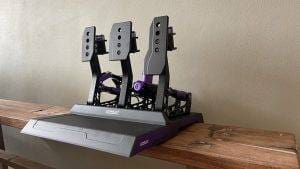
Discover the new Conspit CPP Lite Pedals: innovative pedals for an unparalleled riding experience. How good are these pedals? Find out in our review!
Product Brand: Conspit
Product Currency: EUR
Product Price: 719
Product In-Stock: InStock
4
Pros
- Renewed hydraulic brake pedal
- Advanced Hall-Sensor pedals
- Extensive Adaptability
- Multi-Dynamic Vibration Feedback
- Sharp Price-Quality
Cons
- Ergonomics and Slim Pedal Design
- Limited Availability
Have any thoughts?
Share your reaction or leave a quick response — we’d love to hear what you think!
-
 0
0
-
0
-
0
-
0
-
0
-
0


 Nederlands
  Deutsch
  English (UK)
  Français