Are you ready for the next step in your sim racing adventure? Then a good sim racing cockpit is not an unnecessary luxury. Whether you are just starting out or have been racing fanatically for years, a cockpit forms the backbone of your setup. It provides comfort, stability and a realistic driving experience. A good sim racing cockpit is perhaps the most important investment you can make if you drive more often than the occasional lap in Forza. And once you know how stable, comfortable and immersive such a cockpit feels, you'll never want to go back to that wobbly desk or shaky wheelstand.
In this article, we take you into the world of sim racing cockpits. What exactly are they? What types are there? What should you look out for? And which brands really make a difference? Whether you're just starting out in sim racing or already heading towards the eSports level: this is your complete guide.
What Is A Sim Racing Cockpit?
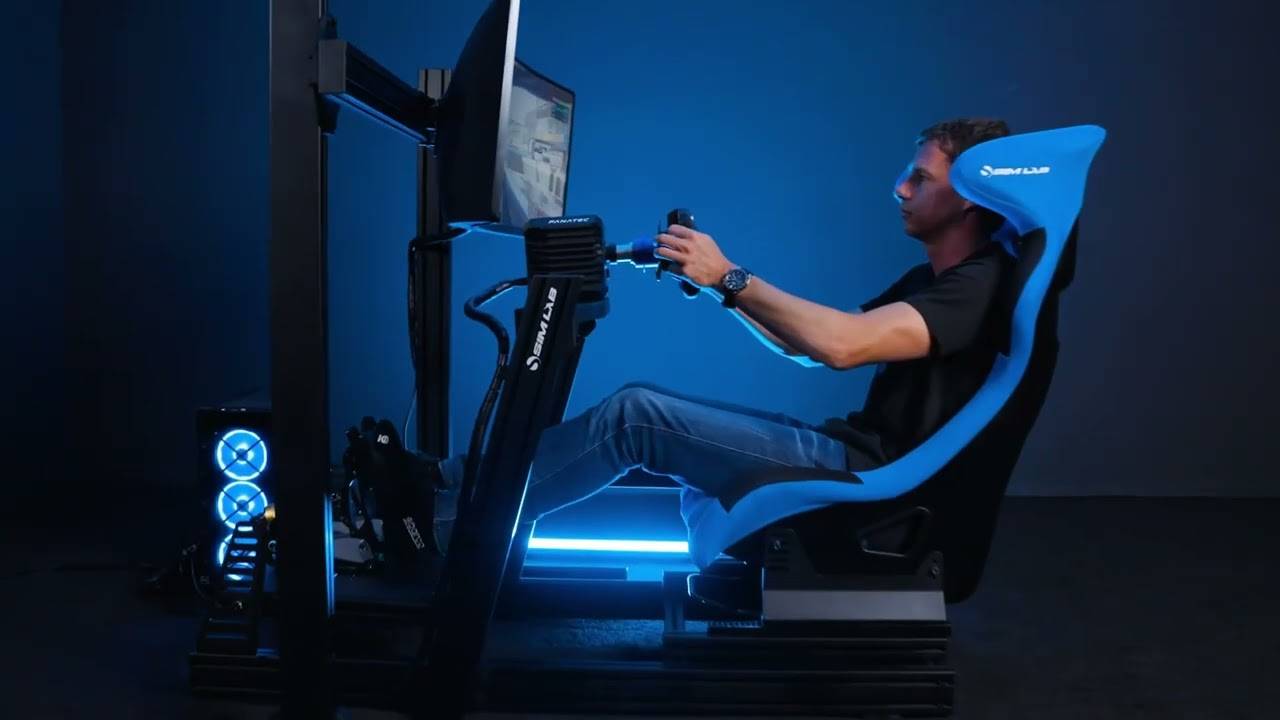
A sim racing cockpit is a special frame or chassis in which you can mount your steering wheel, pedals, seat and other peripherals. It is designed to provide a realistic driving position and keep your setup firmly in place during intensive racing. Unlike a standard desk setup, a sim racing cockpit offers:
- Better ergonomics and comfort
- Less movement or flex when steering and braking
- Possibility to adjust everything perfectly to your body
- More immersion thanks to a racing position like in a real car
Especially if you work with more powerful direct drive wheelbases or train fanatically, a sturdy frame is essential.
Why a Good Cockpit Is So Important
On paper, a cockpit may seem less sexy than a direct drive wheelbase, a nice racing wheel or triple screen setup. But in practice, that very cockpit makes all the difference.
My first sim experience was with a Logitech G29 (with Logitech mods and TrueBrake mod) at an IKEA desk, with the pedals on a piece of non-slip mat. It worked - sort of - but as soon as you start racing more fanatically, you literally feel everything moving that shouldn't be moving. The handlebars wobbled, the pedals slid, and after an hour of racing I was sitting askew and tense, resulting in back pain.
When I switched to my first real sim racing cockpit from Sim-Lab, everything changed. Suddenly I was sitting straight, firm and relaxed. I could grip the handlebars with confidence without the whole desk giving way. When braking hard, I felt I could really apply power without shifting anything. And that button box that used to be loose somewhere? Now it was exactly where my hand expected it to be.
What I noticed most of all: my focus improved. No more distractions from shifting hardware. My concentration stayed better, my reactions became sharper and my stamina went up. And yes, that shows in your lap times. A cockpit seems like a boring part, but it is exactly that stable base that makes the difference between driving and real racing. In short: your concentration, reaction time and endurance go up. And you feel it in your lap times!
What Does a Sim Racing Cockpit Cost?
OK, but what does such a sim racing cockpit cost? We'll give you a rough estimate based on different levels. What exactly the differences are between the cockpits these cockpits we will explain later in this article. In summary, here's what you need to take into account.
Note: this is only for the cockpit. Steering wheel, pedals, seat, screens, PC and software are separate costs. Yes, sim racing is an expensive - but fantastic - hobby.
- Entry-level (up to €350)
- Midrange (€500 - €1000)
- High-end (€1000 - €2000)
- Motion (€2500+)
Different Types of Sim Racing Cockpits
Sim racing cockpits come in many shapes and price ranges. There is no 'one size fits all’. The right cockpit depends on your level, wishes and, of course, your budget. They differ in material, build quality, adjustability and expandability. And that is exactly what makes it so incredibly fun to build your own sim racing cockpit. You can spend hours getting your own dream setup build!
The right choice depends on your skill level, ambitions, available space and, of course, your budget. Below, we discuss four different types of sim racing cockpits:
1. Entry-level
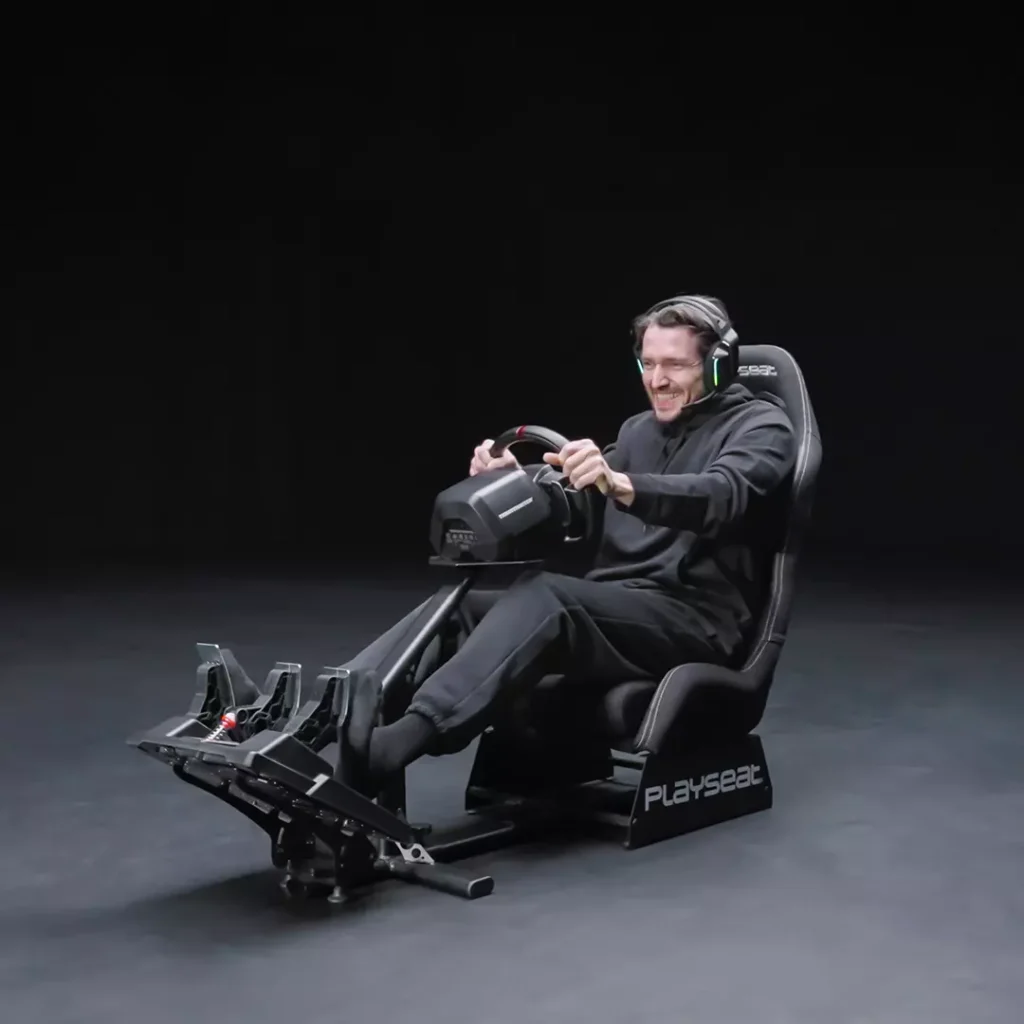
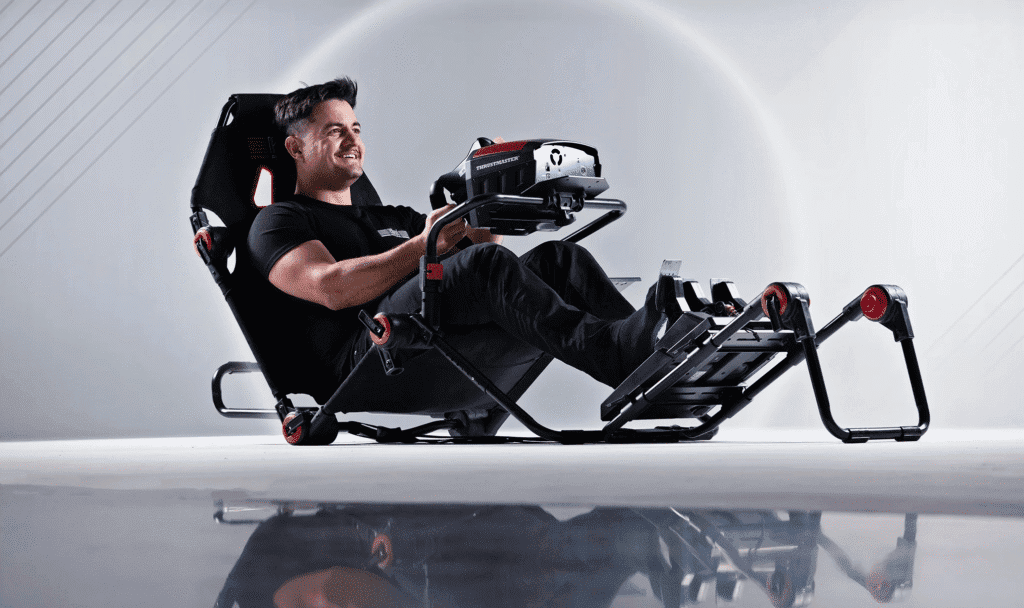
Entry-level models are ideal for those just starting out in sim racing or have limited space. They are often compact, foldable and relatively affordable. Brands such as Playseat, Next Level Racing and GT Omega dominate this category with models like the Playseat Challenge, GT Omega Classic or the Next Level Racing F-GT Lite.
These cockpits are often made of lightweight aluminium or even plastic. They offer basic yet functional support for your handlebars and pedals. The seating position is not always perfect, but for casual use óor if your novice sim racer its a good start.
While these cockpits are ideal to start with in terms of price and to get introduced to sim racing in a low-threshold way, you should bear in mind that they are not designed for long-term intensive use. Due to the use of lighter materials and less robust constructions, parts wear out faster and there is a chance of failure under intensive use. Those who expect to put in a lot of hours or want to upgrade to more powerful steering wheels or pedals in time are better off investing in a more durable model right away.
Price range: €150 to €350
Pros
- Compact and easy to store
- Low purchase price
- Quick to set up and take down
Cons
- Less stable, especially with more powerful steering
- Limited adjustability
- Less suitable for long sessions or upgrades
2. Adjustable Midrange Cockpits
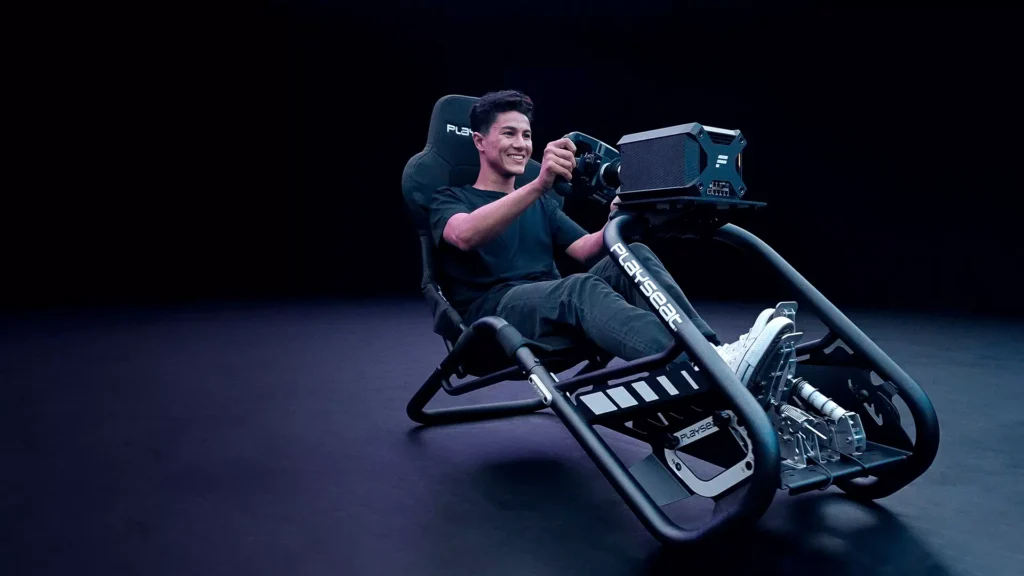
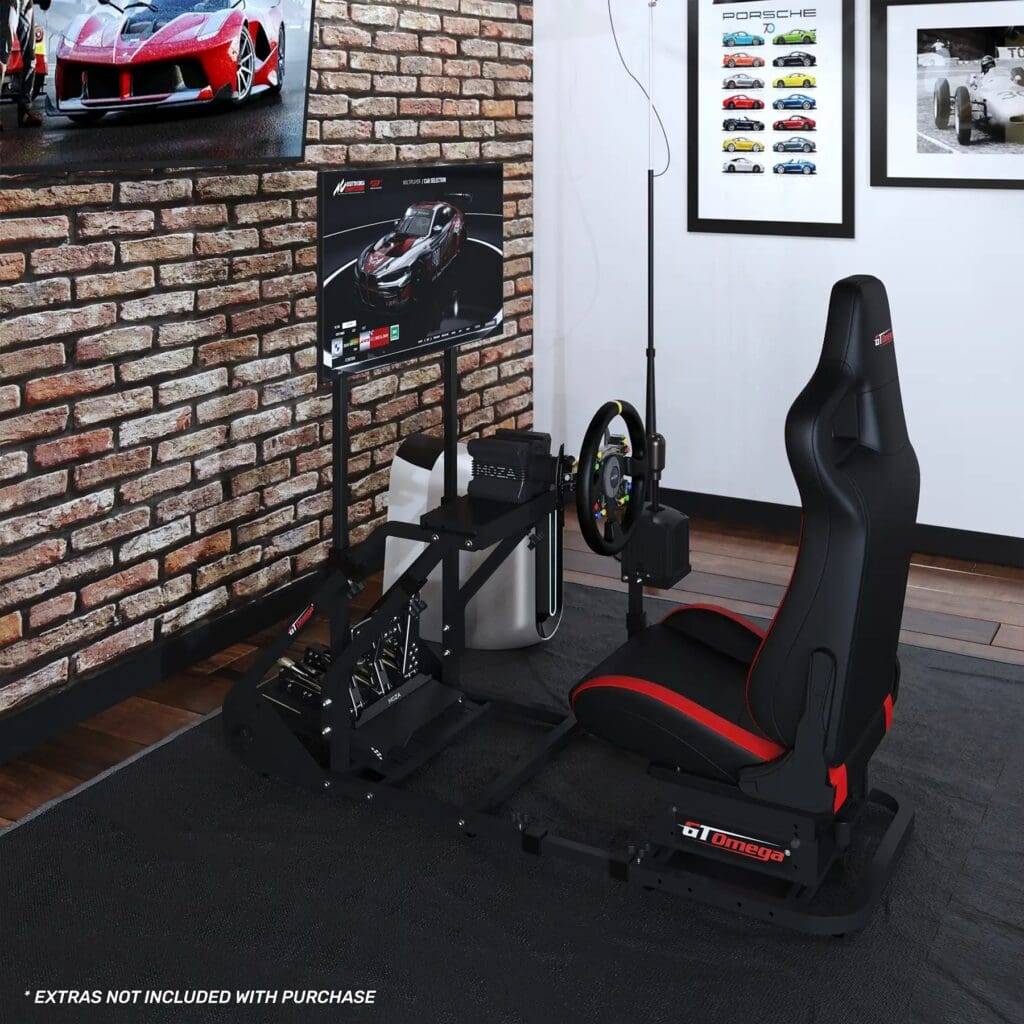
Midrange cockpits are the bridge between simple entry-level and professional rigs. They offer significantly more comfort, rigidity and adjustability than cheaper alternatives, and are therefore popular with sim racers who train or compete several times a week. These cockpits are often made of thicker steel or a combination of steel with reinforcing elements, making them better able to withstand the forces of more powerful force feedback handlebars or load cell pedals.
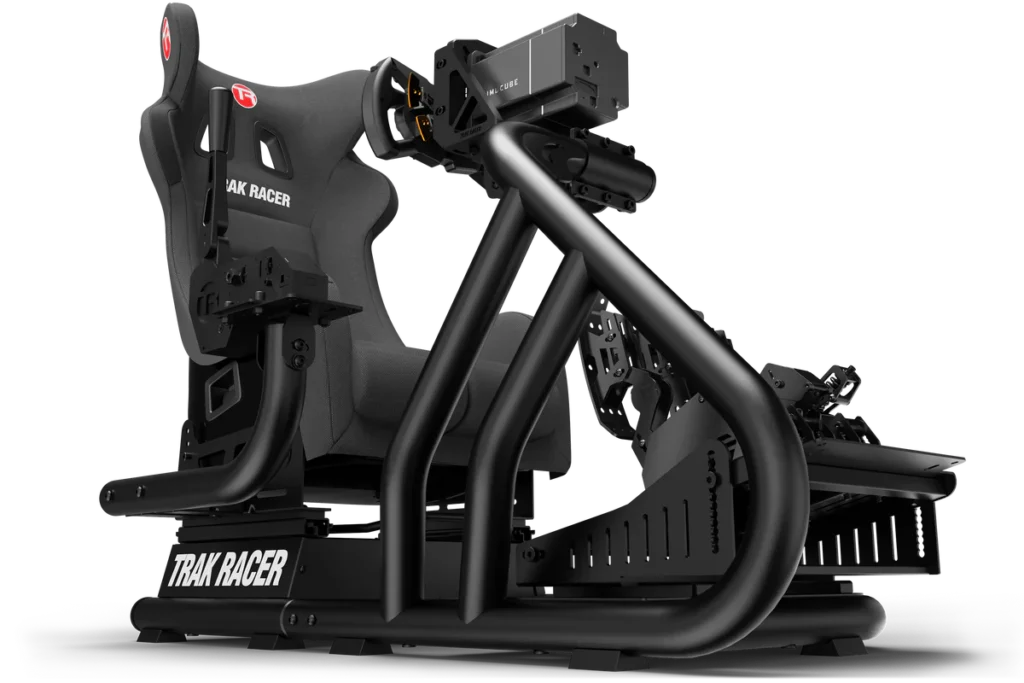
Examples: Fanatec CSL Cockpit, GT Omega ART, Next Level Racing GTTrack, Trak Racer RS6, Playseat Trophy and Sim Lab GT1 Evo.
A key feature of this class is improved ergonomics: seats are often based on real racing seats or fully adjustable for long sessions. Pedals can be adjusted in angle and distance, and the steering frame is usually adjustable in height and depth. This allows you to adjust the driving position much more precisely to your body, which helps prevent fatigue and long-term injuries.
In addition, many midrange rigs offer the possibility of adding accessories such as a shifter mount or even a monitor stand. Some models also have rail systems or modular extensions. In this price range, you can choose between tubular frames (e.g. GT Omega ART) and hybrid constructions with reinforced fittings or aluminium substructures (as with the GTTrack). This makes them more suitable for intensive use and future expansions.
An important point to note is that not all midrange cockpits are fully futureproof. Those wishing to upgrade later to a direct drive wheel from, say, Simucube or Fanatec DD2 or DD1, may run into stiffness and compatibility limits. Still, these cockpits are an excellent choice for the serious sim racer who does not yet want to make the move to a full aluminium profile system.
Price range: €350 to €700
Pros
- Better build quality and stability
- More ergonomic sitting
- Good price-performance ratio
Cons
- Still some flex under heavy load
- Not always compatible with all high-end hardware
- Larger footprint than entry-level models
3. High-end Aluminium Profile Rigs
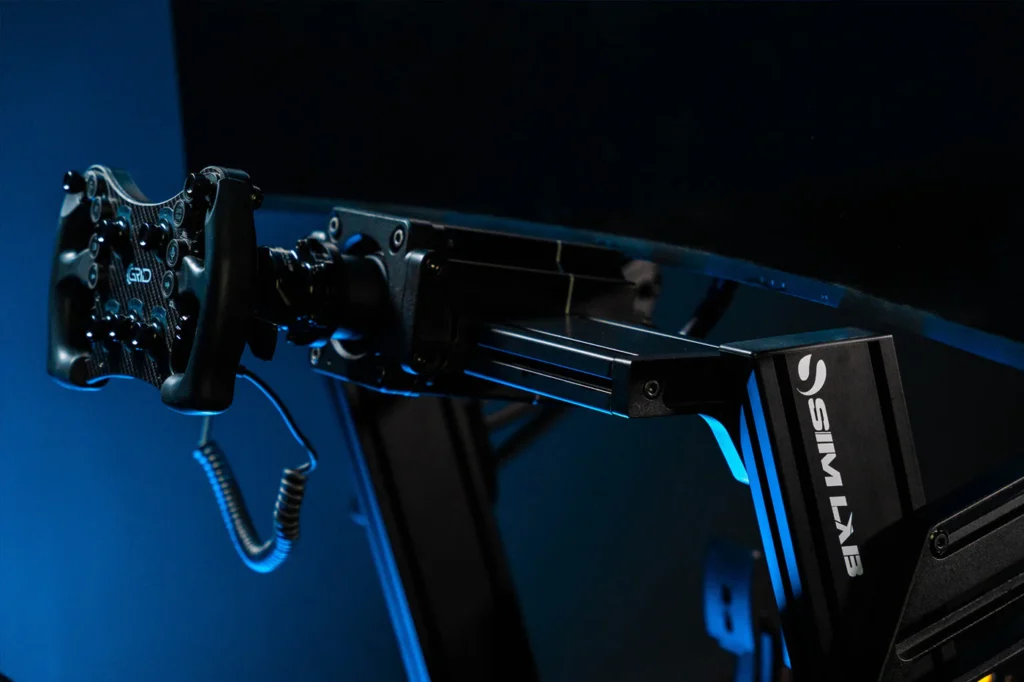
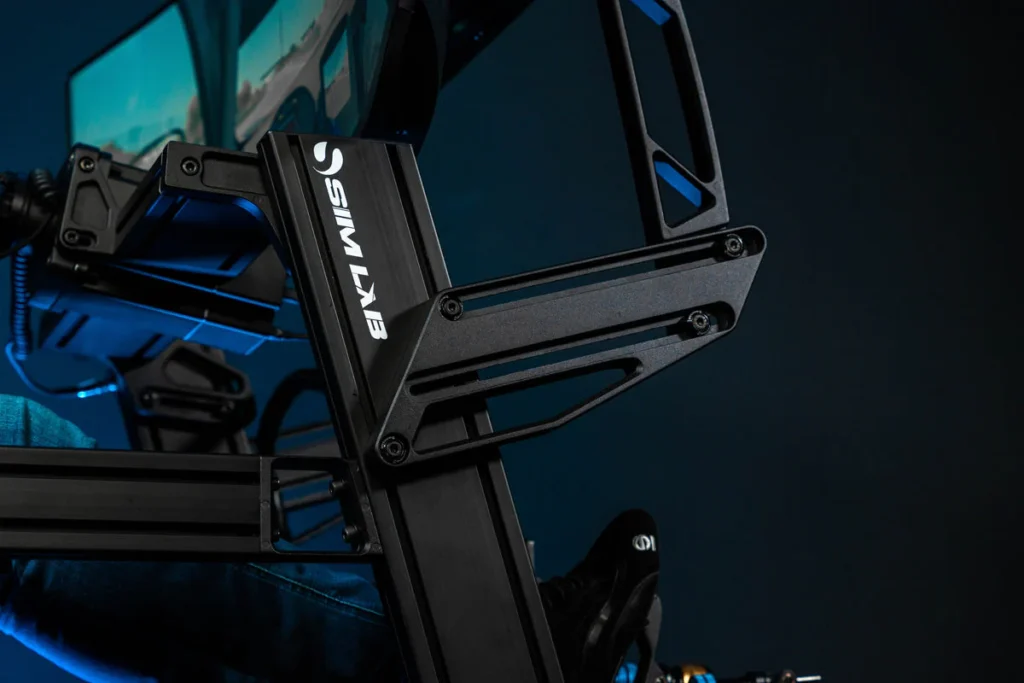
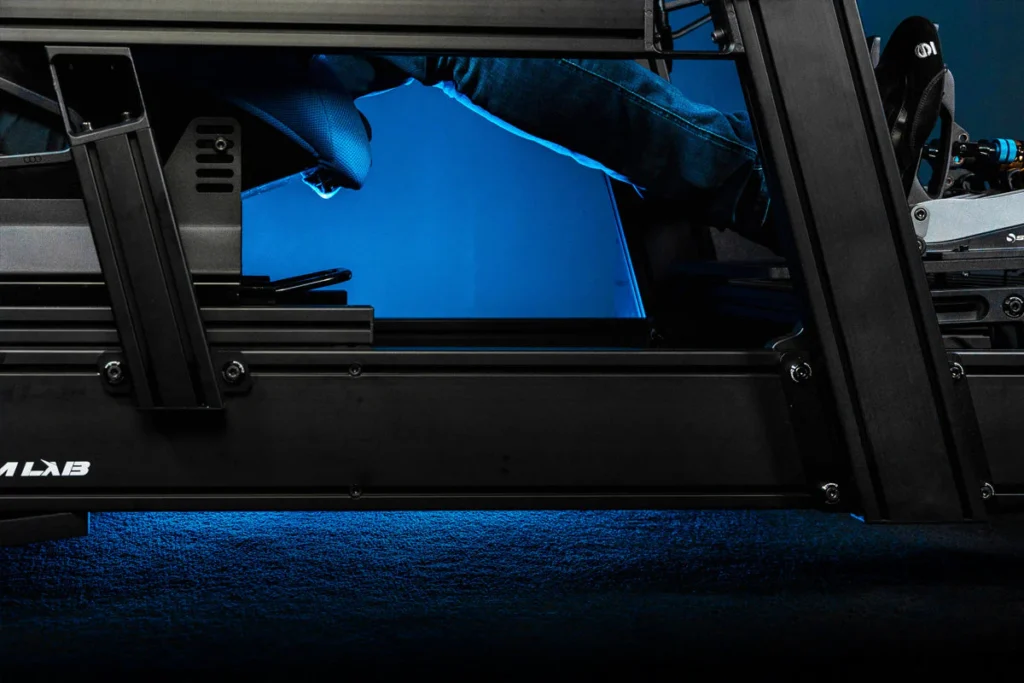
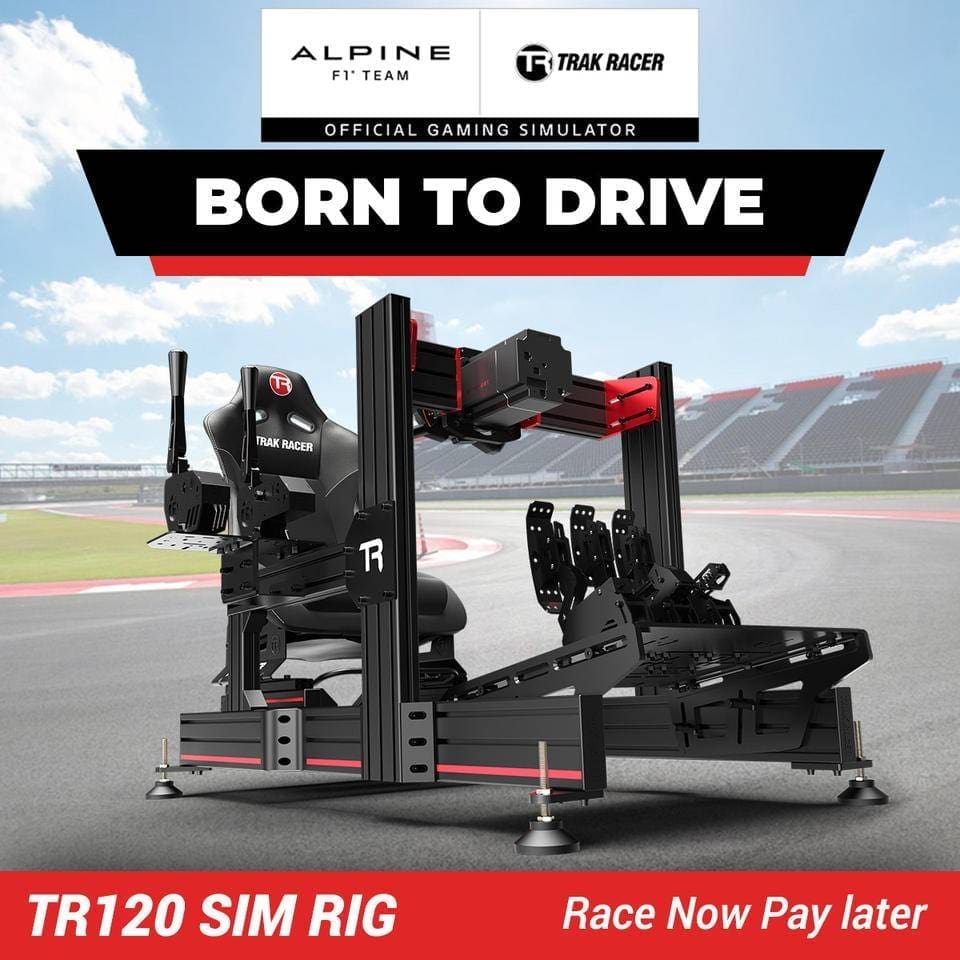
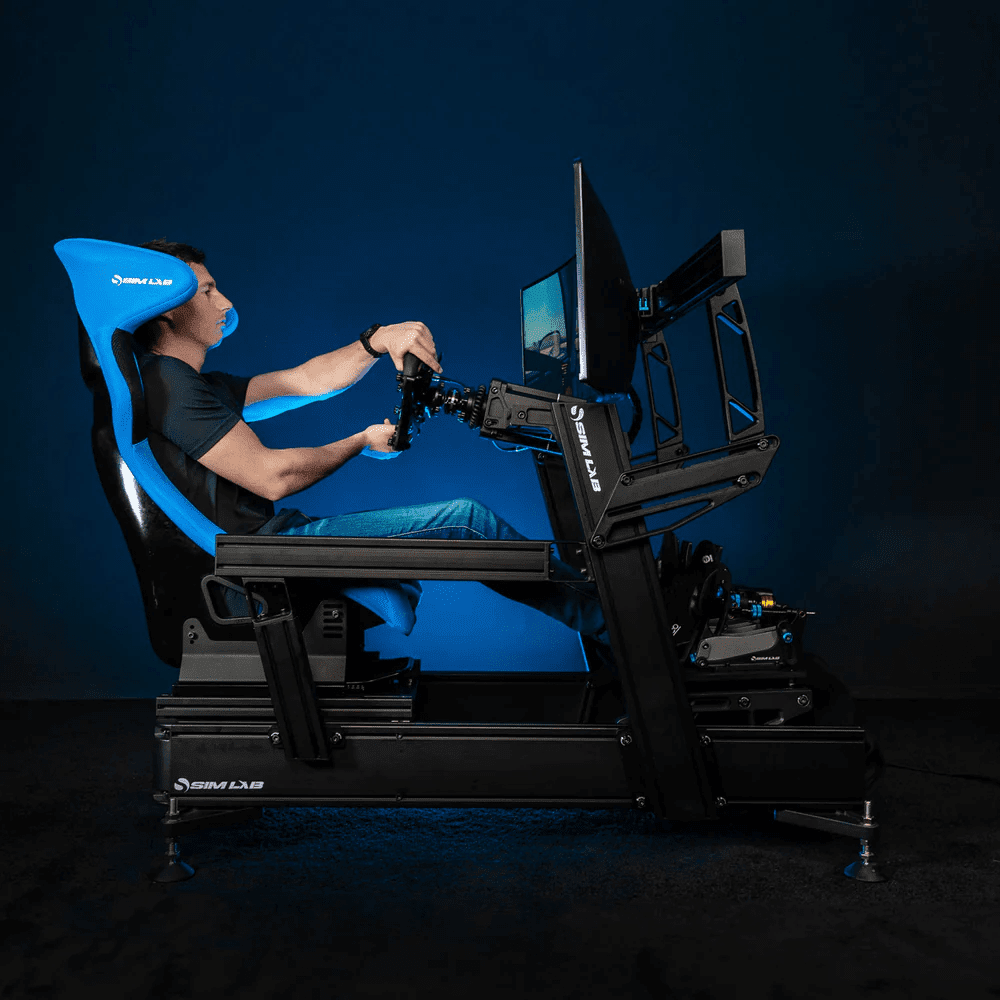
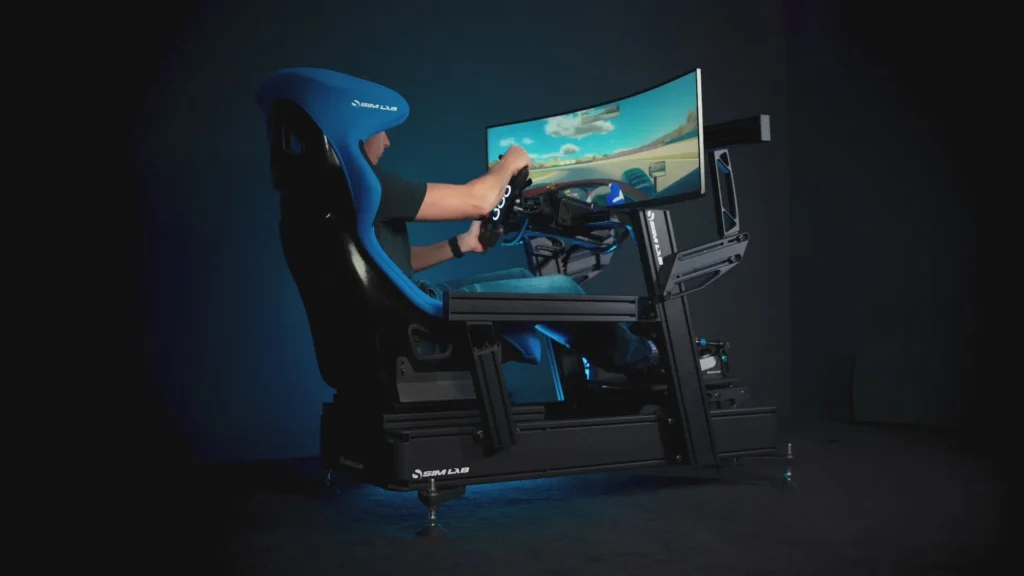
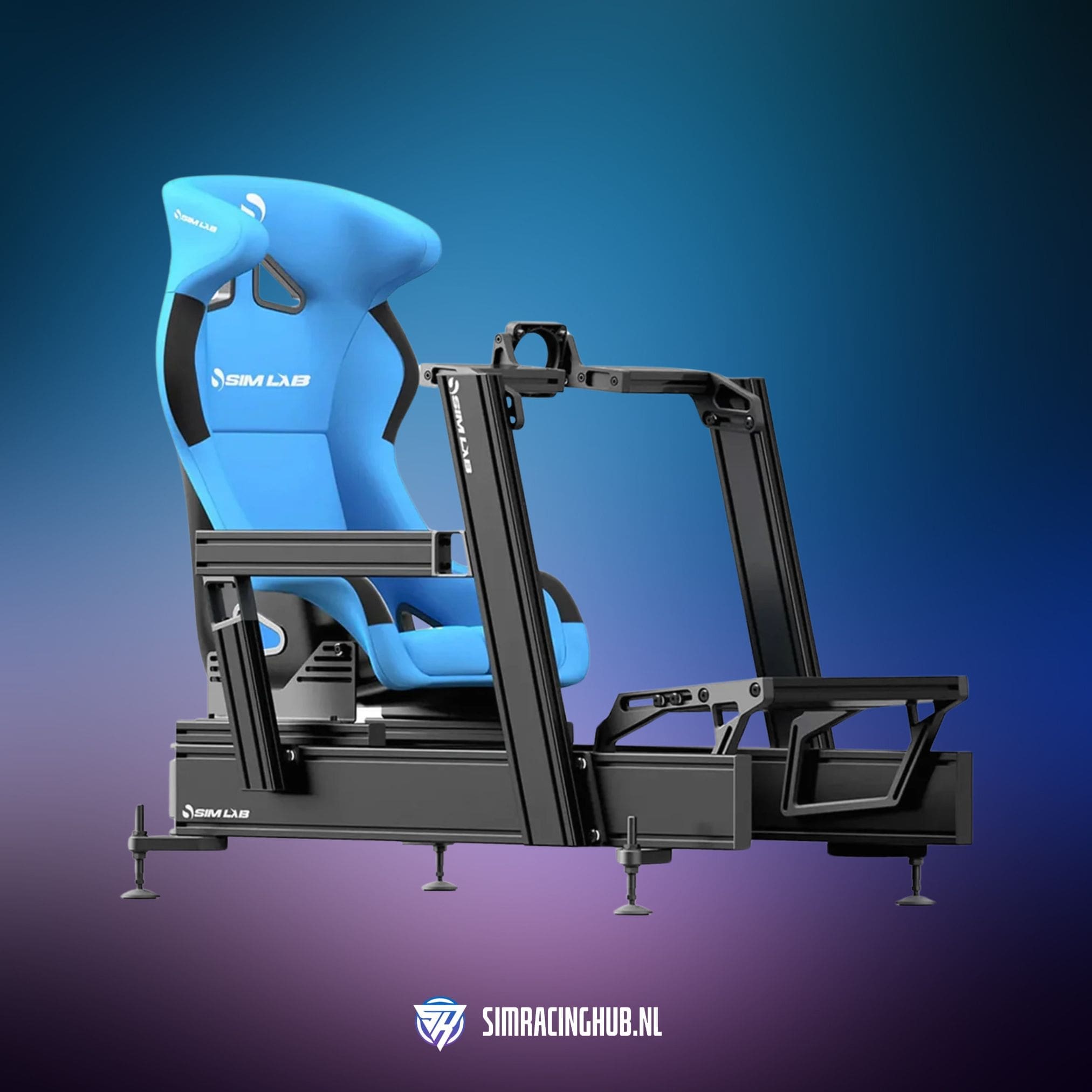
High-end aluminium profile rigs are the absolute best in the sim racing world. These cockpits are specially designed for demanding sim racers who strive for maximum precision, durability and expandability. The frames are constructed from industrial 8020 profiles: robust aluminium beams that can be fully modularised using slots, bolts and corner pieces. This gives you as a user full control over the dimensions, layout and positioning of steering wheel, pedals, seat, screens and accessories.
The experience with a rig in this class is a world of difference compared to entry-level or midrange models. Everything feels solid. Nothing moves or flexes, even with the heaviest direct drive steering or aggressive braking with load cell pedals. You can fully adjust the ergonomics to your body and driving style - from a relaxed GT position to an aggressive F1 position. This results not only in better performance, but also in less fatigue and more consistency during longer racing sessions.
Our comprehensive review of the Sim-Lab P1X Pro is now online!
Wondering why this might be the best sim racing cockpit at the moment? Then read our in-depth Sim Lab P1X Pro review and discover all its strengths, improvements and areas of concern.
What makes these rigs so special is their modular nature. You can start with a basic frame and later expand with an integrated monitor stand, a handbrake, button box mounts or even a full motion kit. Thanks to the standardisation of 8020 profiles, accessories from different brands are almost always compatible, so you are not stuck with one ecosystem.
Top brands in this category include:
- Sim-Lab (P1-X as a high-end choice),
- Trak Racer (TR80 and TR160 for racing and F1 position),
- Treq Sim (Treq One, Treq Ace - known for their sleek finish),
- Advanced SimRacing
- SimXperience (known for their ready-made professional setups).
Each brand has its own nuances in terms of price, finish and accessories, but they all provide a solid foundation for a professional sim rig. Without a doubt the best choice sim racing cockpit, although you need to
Price range: €700 to €1,500 (without accessories)
Pros
- Almost completely free in adjustment
- Very high rigidity and durability
- Expandable with accessories and motion systems
Cons
- Higher purchase price
- Heavy and large
- Montage requires some technical dexterity
4. Motion Rigs
Motion rigs are designed for sim racers seeking ultimate immersion and realism. Instead of just visual and auditory feedback, these systems add physical movement to your setup. Using electric actuators, linear rails or hydraulic systems, your seat, pedals or entire rig move with the forces occurring in the simulation. Think of feeling acceleration, braking pressure, cornering or even tyre slippage. As a driver, this gives you a much richer sense of what the car is doing, which also contributes to your performance and responsiveness.
Motion components are usually extensions to existing aluminium profile rigs. There are several types of motion systems:
- Seat mover: only moves the chair, often more economical.
- Platform mover: the whole rig moves, more realistically but more complexly.
- 3DOF to 6DOF systems: this determines how much freedom of movement there is, from tilting to lifting or even rotation simulation.
Popular brands and platforms in this category include:
- D-Box (premium haptic platforms, quiet and highly reliable)
- PT-Actuator (powerful linear actuators for full motion rigs)
- SimXperience (Stage 3 Motion Simulator, widely used in training centres)
- Next Level Racing (Motion Platform V3 and Traction Plus, suitable for home use)
- Qubic Systems (known for their compact, high-precision modular systems)
- VNM Simulation (powerful industrial actuators with extensive software support)
- ProSimu (French manufacturer known for affordable 3- and 5DOF solutions)
- DOF Reality (more budget-friendly systems for the home market)
Installing a motion system usually requires technical knowledge and careful adjustment. You need to think about calibration, software integration and, in some cases, even reinforcement of your rig or floor. Noise and vibration are also something to consider in a home situation.
For many sim racers, motion is the ultimate upgrade - but only if the rest of your setup is already up to par. Motion adds no value if your basic settings or hardware are not stable and precise. When combined with high-quality VR, windsim or tactile feedback, however, it creates an experience barely distinguishable from a real car on the track.
Price range: from €2,000 to well over €10,000, depending on system and configuration
Motion rigs are usually only interesting when your setup is already complete and you want to get the most out of your sim experience. They are loved by content creators, professional drivers and sim racing centres.
Whether you are just starting out or raising the bar ever higher, there is a sim racing cockpit that perfectly suits your level and ambitions. The next step is to decide which specifications are most important to you.
Pros
- Ultimate realistic experience
- Useful for training and race analysis
Cons
- Very pricey
- Additional maintenance and technical knowledge required
- Takes up a lot of space
What to look out for when buying a cockpit?
A cockpit don't just buy it. It is the foundation of your entire sim rig, so if you discover halfway through your upgrade journey that your frame can't handle your new direct drive wheel, then you have a problem. So I strongly recommend not skimping on your sim racing cockpit. This is the part of your racing cockpit that your never no longer need to upgrade 😉 Below, we explain the main points to consider.
1 - Stiffness and build quality
The heavier and more powerful your wheel and pedals, the more important it becomes that your cockpit is sturdy. Direct drive handlebars and load cell pedals generate hefty forces - if your rig then starts to flex or wobble, you not only lose immersion, but also precision. Aluminium profile rigs are the gold standard here, but there are also decent choices within the steel segment as long as you pay attention to material thickness and torque points.
2- Adjustability and ergonomics
Good sitting posture is essential, especially for longer sessions. Can you pull the handlebars closer? Put the pedals at the right angle? Adjust the seat's height and tilt? Cockpits with a fixed angle or limited adjustment options can eventually cause discomfort or even injury. Therefore, choose a cockpit that adapts to your body - not the other way around.
3- Future-proofing
Your current setup is probably not your end station. You might want to add a shifter, a handbrake, a button box or even motion later. So choose a cockpit that prepared for growth. Note the presence of montagegates, profiles or expansion modules. Brands such as Sim-Lab and Trak Racer offer numerous accessories and expansion options, for example.
4- Format and use of space
Some cockpits are foldable or mobile, while others are literally pieces of furniture that demand a permanent place. Measure your available space carefully. Consider not only the dimensions of the cockpit itself, but also space around it to get in and out comfortably. A cockpit that is technically perfect but doesn't fit practically will end up being disappointing.
5- Mon1TP3Convenience and support
Putting a rig together can be a joy - or a nightmare. Check whether clear manuals are included, whether montagevideos are available, and whether you can get help if you get stuck. The community around a brand is also golden. Active Discord servers, Facebook groups or forums can save you a lot of frustration (and time)! The sim racing community is very helpful and thoughtful, so take advantage of that!
A cockpit is more than a frame: it is the foundation of your sim experience. By looking closely at these aspects beforehand, you will ensure that you will soon not only drive comfortably and stably, but also be prepared for anything else you might want to add to your rig in the future.
My Advice - Start Smart and Build Step by Step
Want to start sim racing? Then my main advice is: don't skimp on the cockpit. Seriously. It may not be the most glamorous part of your setup, but it is the foundation on which everything rests. If that foundation isn't right, you'll be left in knots of instability, poor attitude and frustration.
When I started myself, I immediately opted for a Sim-Lab P1-X - the previous generation. And yes, it costs more than an average entry-level cockpit. But I haven't regretted it for a moment. Indeed, I rode it for months with nothing more than a Logitech G29 mounted to it, and slid under my IKEA desk where I had my display. It worked perfectly. Why? Because the frame was stable, modular and future-proof. I knew: I never need to replace this again.
The beauty of sim racing is that your rig is never ‘finished’. You build, you improve, you personalise. With me, it slowly grew into a dream setup - partly thanks to upgrades, partly thanks to creative DIY projects. From button box mounts to windsim and custom monitor arms: it's all possible, as long as your basics are right.
So choose a rig that lets you grow with it. Start small if you need to, but don't opt for weak steel or wobbly constructions ‘because you want to try it first to see if it's for you’. If you really want to race, you also want to be able to steer, brake and sit properly. And you need a cockpit to do that.


Conclusion - The Right Cockpit Makes More Difference Than You Think
A cockpit is the foundation of your sim rig. Without a solid foundation, you're never going to get the most out of your wheel or pedals. You need stability to push with confidence - whether you're just starting out or racing in a league.
What I have learned over the years: building a sim rig is not a sprint, but a journey. Every upgrade, every tweak contributes to something that feels better and better. It is a process of discovery, adjustment and continuous improvement. Sometimes with frustration, often with satisfaction. And it all starts with that one cockpit choice that doesn't get in the way, but grows with you.
So look beyond just the price tag. Think about your goals, how often you ride and where you want to grow. Start simple if necessary, but invest smartly. Choose quality, such as Sim Lab or Trak Racer. The right sim racing cockpit not only gives you an edge on the track, but also the confidence to keep building something that is truly yours.
Want help with your choice? Let us know. We'll be happy to help you on your way to your ideal setup.

Featured products
Buying a Sim Racing Cockpit? This You Need to Know!(Buying Guide)
Have any thoughts?
Share your reaction or leave a quick response - we'd love to hear what you think!
-
 0
0
-
0
-
0
-
0
-
0
-
0


 Nederlands
  Deutsch
  English (UK)
  Français